
Online Doctor Ireland
Get your prescription sent to any pharmacy within hours for €20
- No waiting rooms
- No appointments
- Fast & Online
- No stress
Irish Medical Council-registered GPs review your prescription request online and send it directly to any pharmacy in Ireland for collection or delivery.
Weight Loss Injections Ireland
Get your prescription for Wegovy, Saxenda, or Mounjaro from an online doctor in Ireland. Just €20.
Learn MoreFind Your Treatment

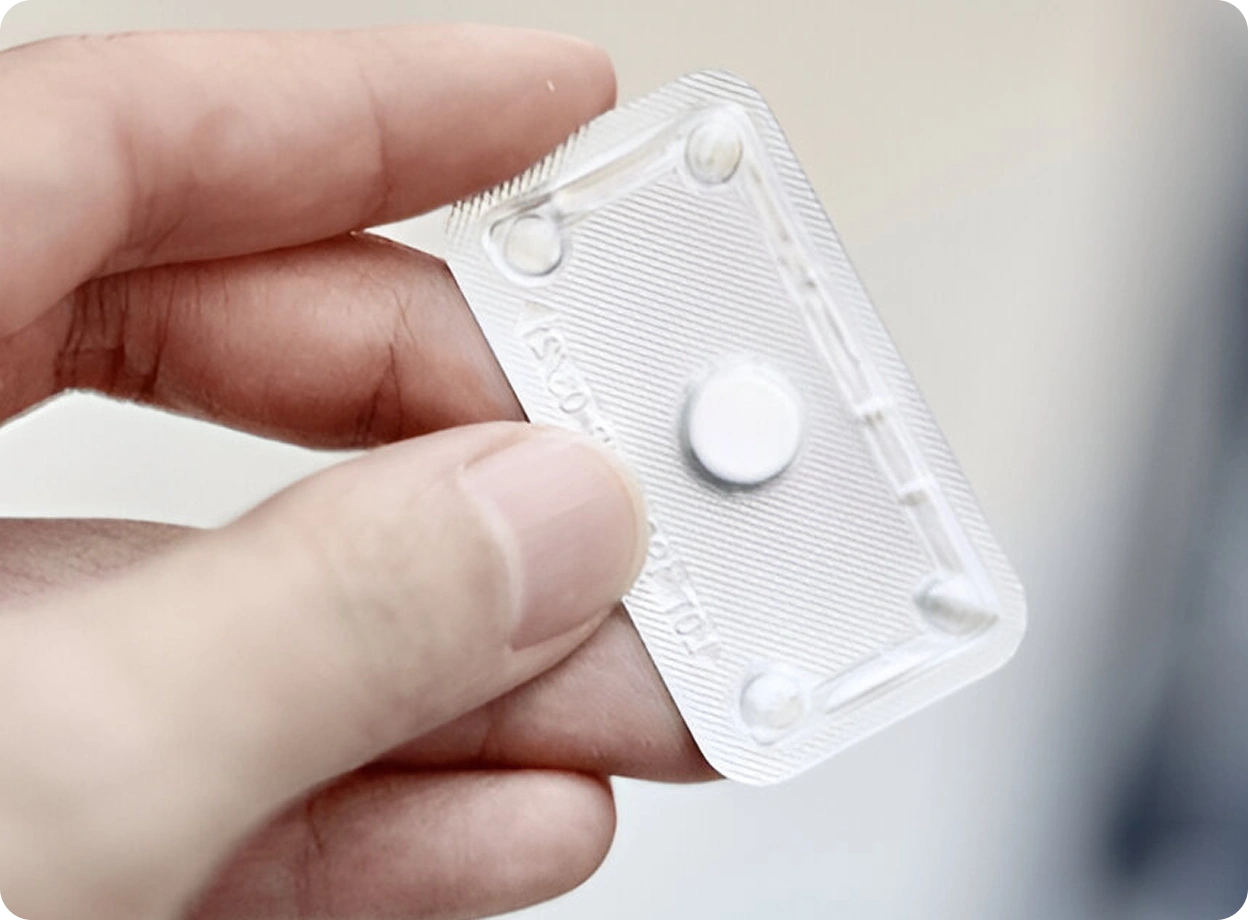



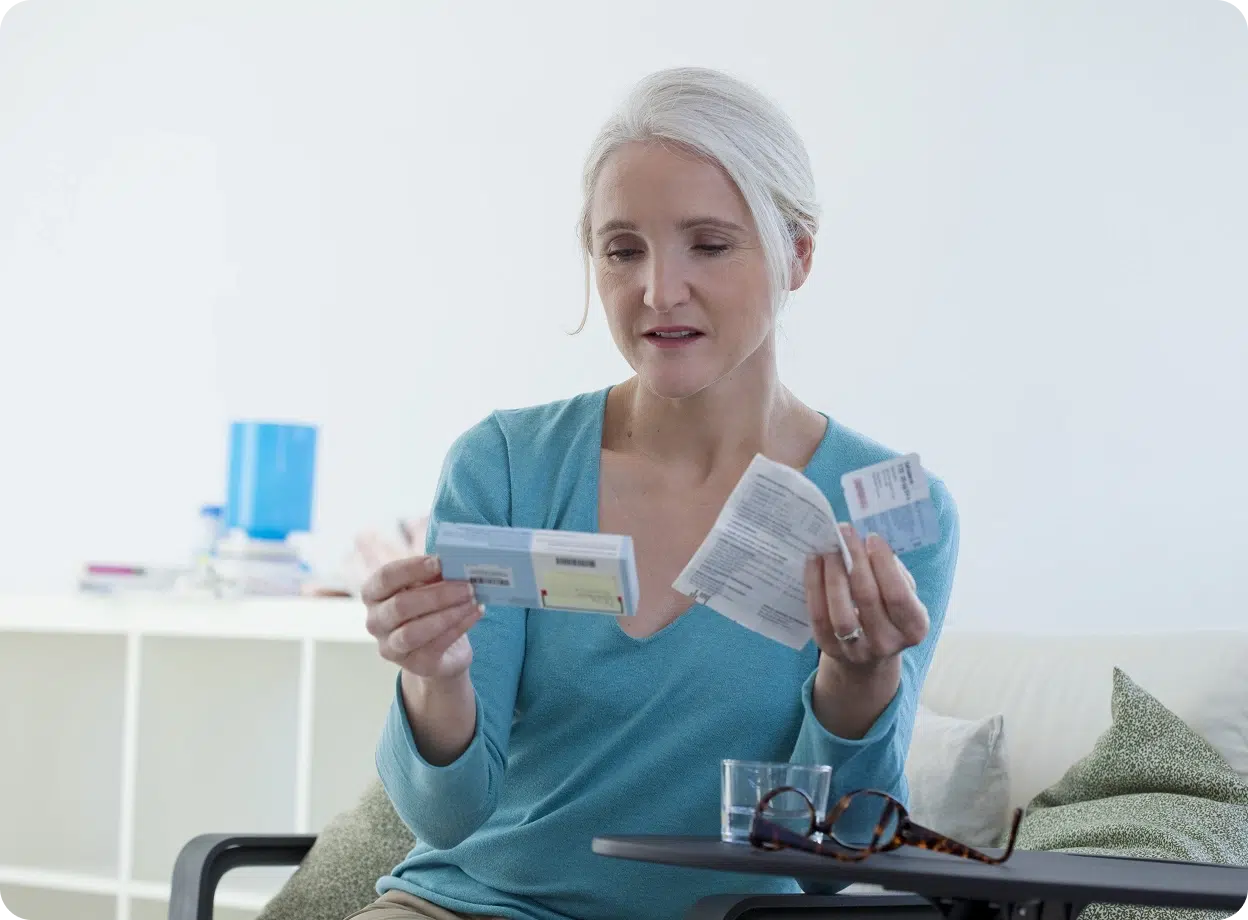







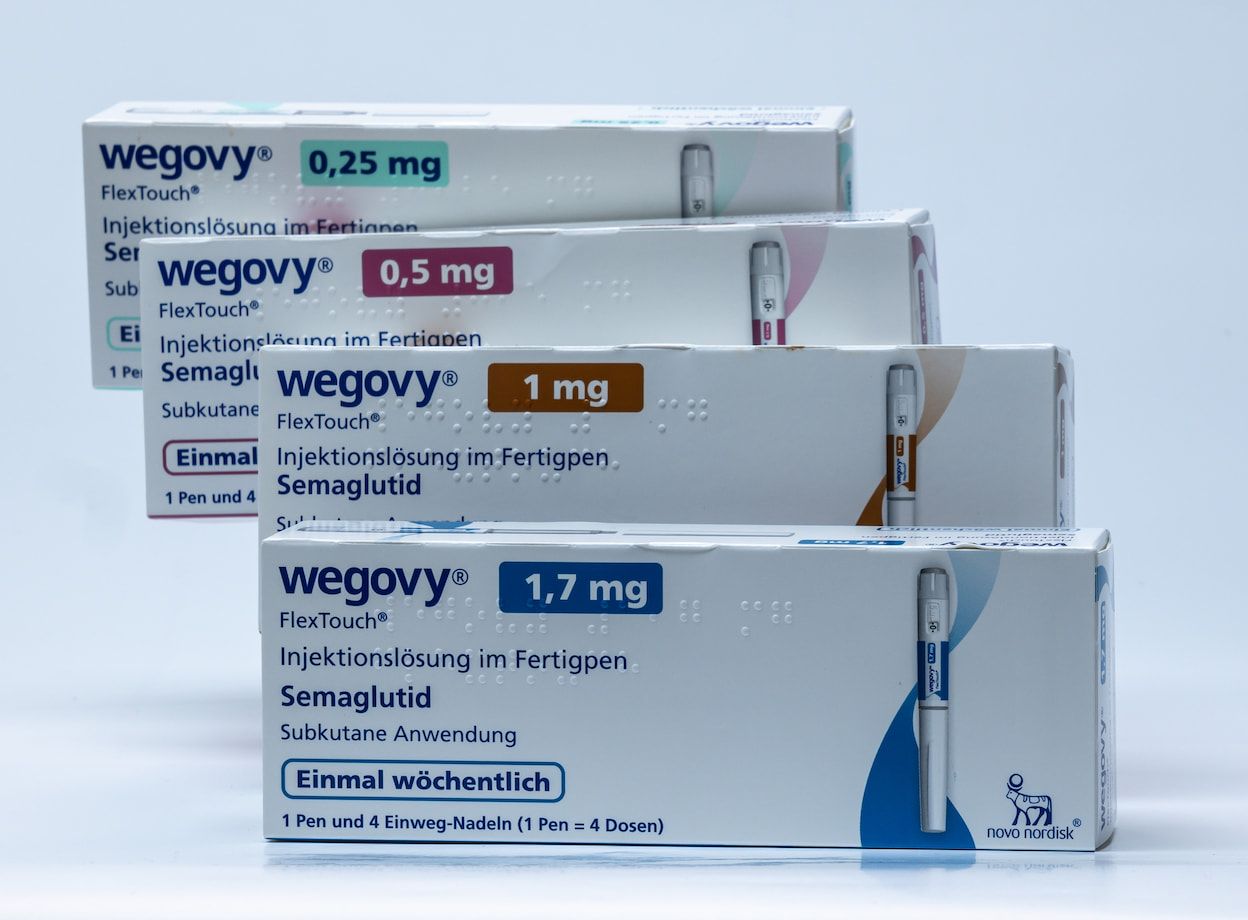
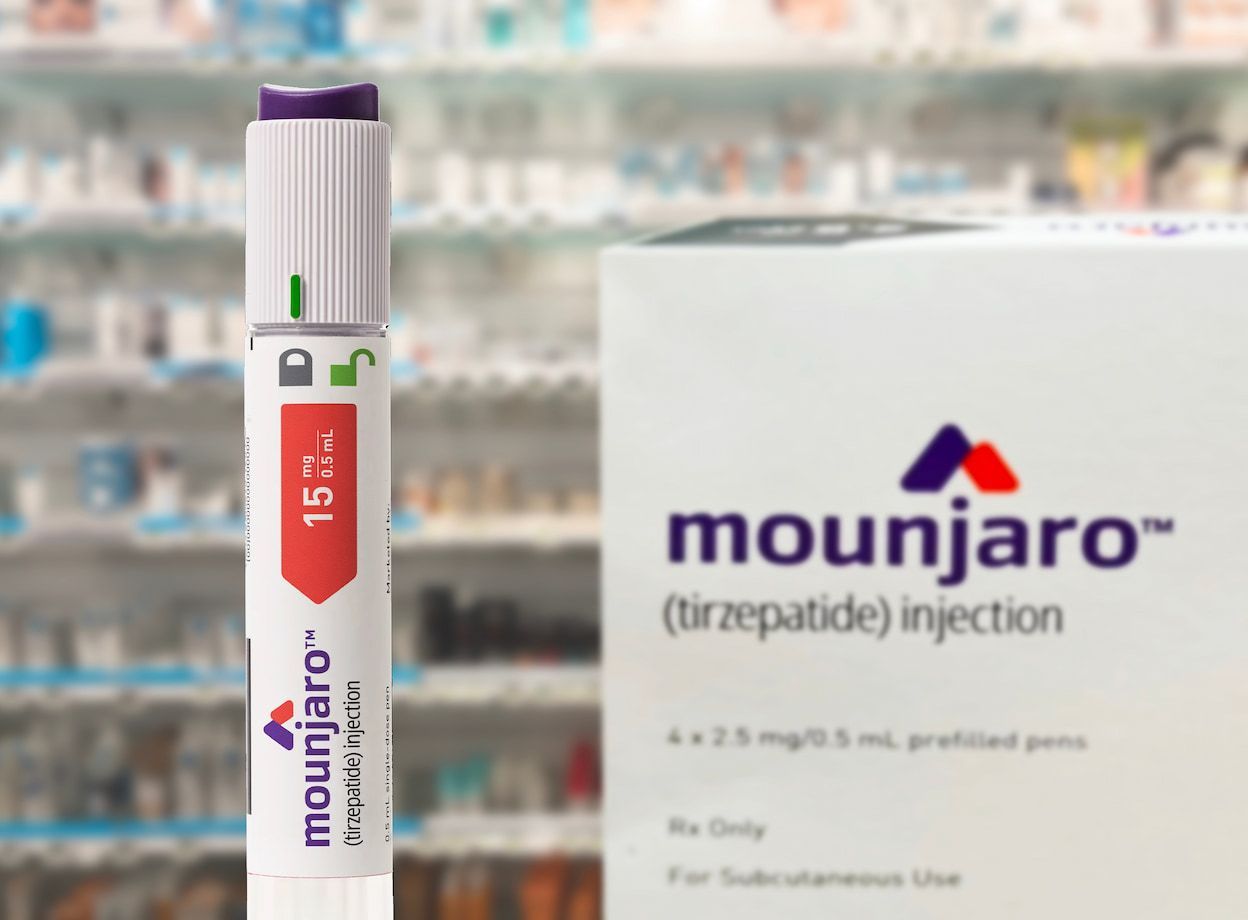





















Female health
Weight Loss
Skin care
General health
Travel health
Chronic health
Photo consultation
Medical Certificate
Anti-Ageing
Get Your Prescription Online in 4 Easy Steps
- Step 1
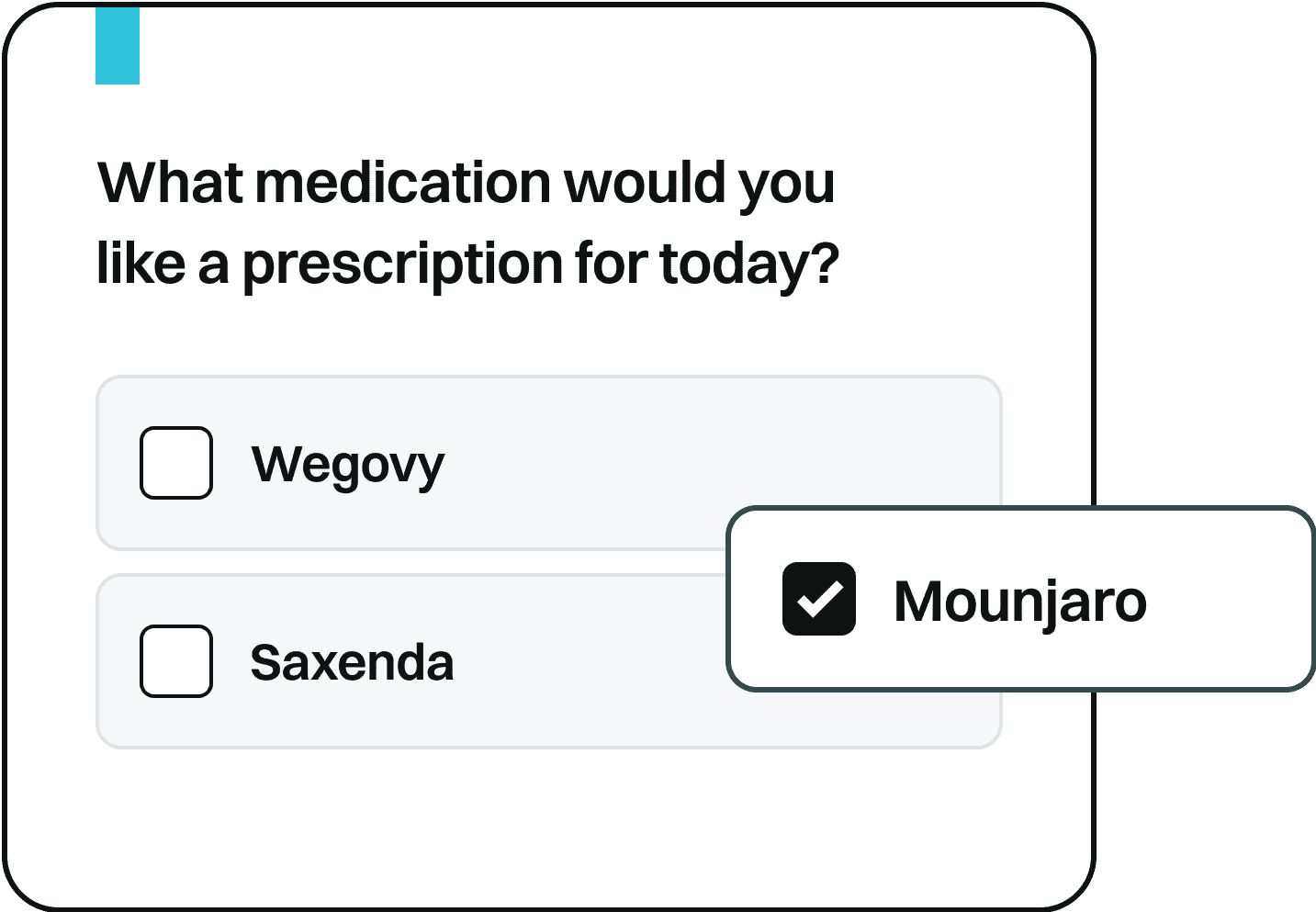
Complete a Quick Online Questionnaire Complete Your Online Consultation
Answer a few quick questions so our doctors can confirm if the treatment is right for you. Answer a few quick health questions so our doctors can assess if treatment is right for you.
- Step 3
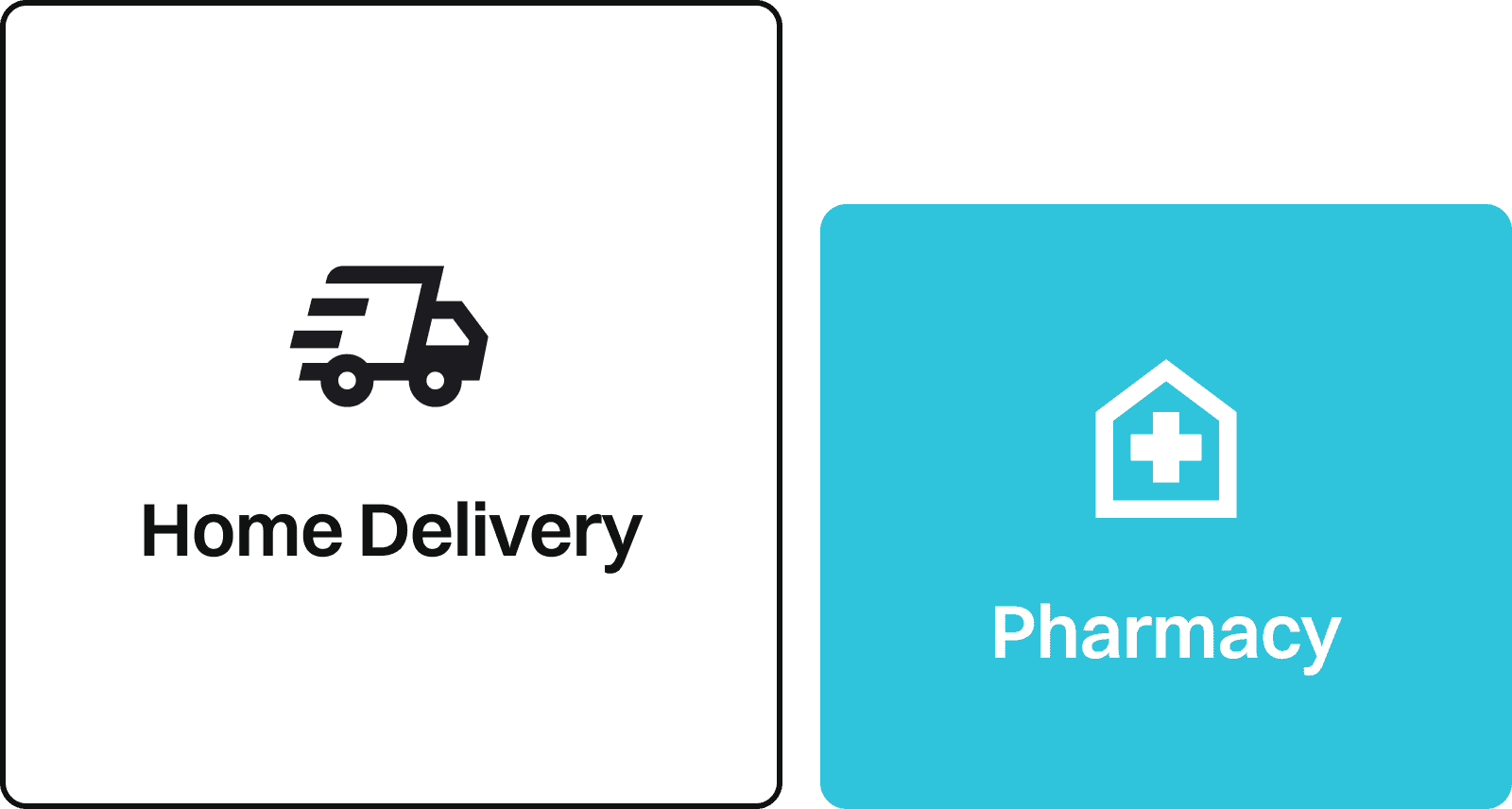
Collect or Home Delivery Collect or Get Home Delivery
Your prescription is sent directly to your chosen pharmacy, or delivered discreetly to your home anywhere in Ireland. Pick up from your preferred pharmacy or have it delivered to your door.
- Step 2
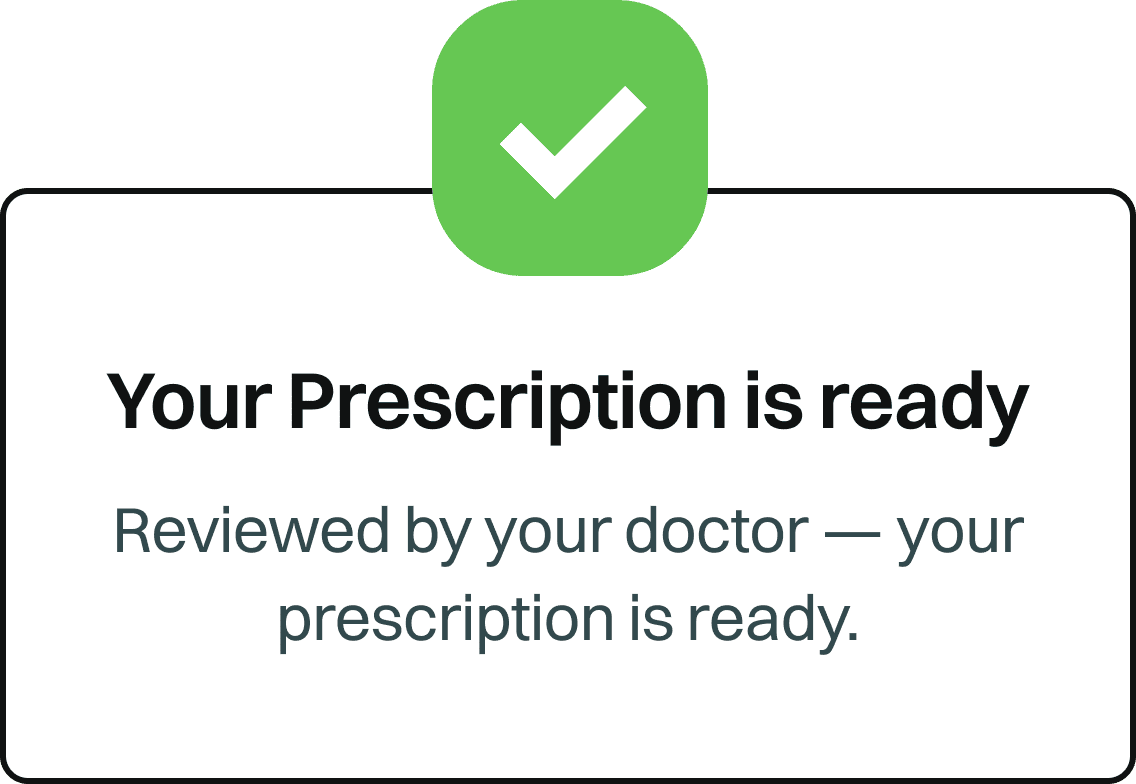
Doctor Review & Prescription
Your request is reviewed by our GPs, typically within 2 hours. A licensed Irish doctor reviews your answers. If suitable, your prescription is sent to your chosen pharmacy.
- Step 4
Ongoing Support
Our doctors are available 7 days a week if you need follow-up help or advice.

Your Care, Your Time, Your Way
- Get medical care or prescriptions on your schedule
- Message your doctor whenever you need support
- Affordable treatments without waiting rooms
- Simple refills and ongoing care, all online
Connect With Pharmacies Across Ireland







<2-hour prescription review Access the service 24/7 online, doctors will review consultations 7 days from 8am to 8pm.
Irish Medical Council registered GPs Licensed Irish GPs review every prescription for safety and suitability.
Any pharmacy in Ireland Your prescription is sent directly to your chosen pharmacy.
100% refund guarantee Not eligible? Receive a full refund automatically, no questions asked.


Backed by Ireland's Leading GP
smartscripts.ie is medically led by Dr. Conor O'Hanlon, an Irish GP with over 40 years of clinical experience. Having cared for patients across Ireland, Dr. O'Hanlon brings deep insight into local healthcare needs and ensures every SmartScripts.ie prescription meets the highest clinical standards.
Under his guidance, our team follows Irish Medical Council best-practice guidelines for every consultation. Each prescription is safe, evidence-based, and doctor-led, giving you the same trusted standard of care you'd expect from an in-person GP visit.
About smartscriptsFrequently Asked Questions
Is an online prescription service safe?
Absolutely. Your safety is our top priority. All prescriptions are issued by Irish Medical Council registered doctors who follow the same clinical guidelines as in-person GP consultations. Every online consultation is thoroughly reviewed to ensure the treatment is medically appropriate for you.
Our doctors assess your medical history, current medications, allergies, and any contraindications before prescribing. If there's any concern about safety or suitability, the prescription will be declined and you'll receive a full refund.
How quickly will I get my prescription?
Our GPs typically review online consultations within 2 hours. Once approved, your prescription is sent electronically to your chosen pharmacy immediately.
You will receive an email to confirm the prescription has been approved.
What types of medical issues can I get help with?
We offer online prescriptions for 33 different treatments covering women's health, men's health, general health conditions, travel health, skin conditions, and weight management.
Common conditions include contraception, erectile dysfunction, hair loss, acid reflux, asthma, high cholesterol, blood pressure, allergies, acne, cystitis, and travel medications.
For a complete list, visit our treatments page.
Explore our range of treatments on our website.
What if I'm not suitable for an online prescription?
If our Irish doctors determine that your condition requires an in-person examination, further testing, or isn't suitable for online prescribing, you'll receive a full €20 refund automatically.
We'll also be able to give some guidance on next steps and recommend seeing your local GP for further assessment.
Can I get repeat prescriptions online?
Yes, smartscripts.ie specialises in repeat prescriptions for ongoing medications. If you've been previously prescribed a medication and need a repeat prescription, our online doctor service is perfect for you.
Complete the online consultation, and our GPs will review your medical history to ensure the repeat prescription is still appropriate.
How much does it cost?
Our online prescription service costs just €20, a flat fee with no hidden charges. This is at least €5 cheaper than most competitors while maintaining the highest medical standards.
If our doctors are unable to provide your prescription for any reason, you will automatically receive a full €20 refund.
Do you accept health insurance?
While smartscripts.ie doesn't directly bill health insurance companies, many Irish patients successfully claim reimbursement through their health insurance or use receipts for tax relief benefits under the Medical Expenses Relief scheme.
We provide all necessary documentation, including detailed receipts and prescription information, to support your insurance claims.
Good Health








Get Your Prescription Online Today
Join 60,000+ Irish patients who trust smartscripts.ie for fast, affordable, and safe online prescriptions.
- No waiting rooms
- No appointments