
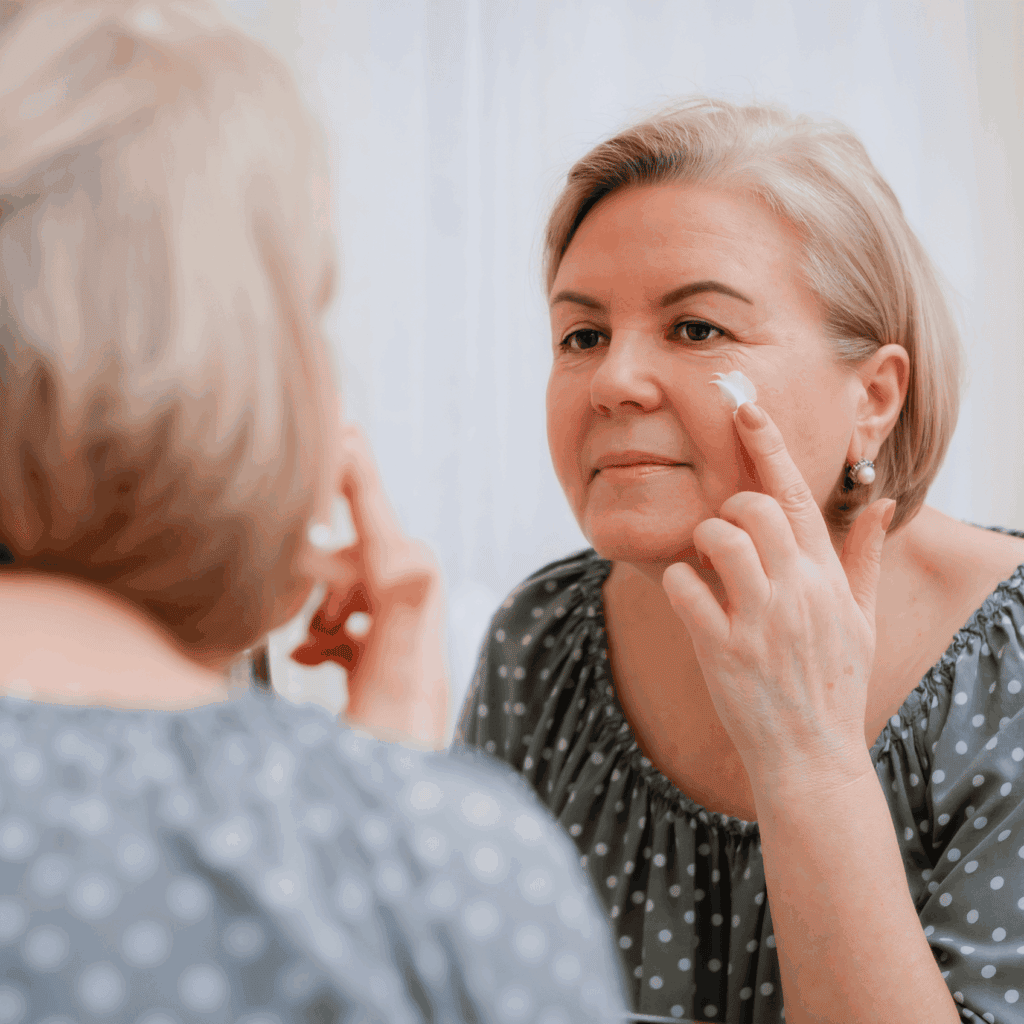
Ageing skin is a biological process, not simply a cosmetic concern. From your mid-20s onwards, collagen production declines by approximately 1% per year. Elastin fibres weaken. Cell turnover slows. Pigmentation becomes uneven. Environmental exposure, particularly ultraviolet (UV) radiation, accelerates this process.
Overview
While over-the-counter skincare products can improve surface appearance, prescription retinoids and medical-grade treatments remain the gold standard for clinically proven anti-ageing results.
In Ireland, access to prescription anti-ageing treatments such as tretinoin, adapalene (Differin), and azelaic acid is available through regulated medical consultation. This guide explains how these treatments work, what they treat, who they are suitable for, and how to access them safely through an online doctor in Ireland.
Get an Anti-Ageing prescription online
A secure online assessment - consultation from €20
Learn MoreWhat Causes Skin Ageing?
Skin ageing is driven by two main processes:
1. Intrinsic Ageing (Chronological Ageing)
This is the natural ageing process influenced by genetics and time. It leads to:
Intrinsic ageing occurs regardless of lifestyle.
2. Extrinsic Ageing (Photoageing)
Extrinsic ageing is caused by environmental factors, primarily:
UV radiation breaks down collagen fibres and generates free radicals that damage skin cells. Photoageing results in:
Most visible skin ageing is due to photoageing, not intrinsic ageing.
Why Prescription Treatments Work Better Than Cosmetic Creams
Many anti-ageing products available in pharmacies contain retinol. Retinol is a precursor to retinoic acid. Before it becomes active in the skin, it must undergo multiple metabolic conversions.
Prescription retinoids such as Tretinoin are already in their active form (retinoic acid). This means:
The difference between cosmetic retinol and prescription tretinoin is significant in potency and evidence base.
Tretinoin for Anti-Ageing
Tretinoin has over 30 years of clinical evidence supporting its role in skin rejuvenation.
How Tretinoin Works
Tretinoin:
At a cellular level, tretinoin binds to retinoic acid receptors (RARs) in the skin, influencing gene expression involved in collagen production and keratinocyte differentiation.
What Tretinoin Treats?
It is considered the gold standard topical treatment for photoageing.
Available Strengths
Tretinoin is commonly prescribed in strengths such as:
Lower strengths are typically used when beginning treatment to reduce irritation risk.
Timeline for Results
Patients often notice:
Tretinoin is not an overnight solution. It works gradually and requires consistent use.
Side Effects
Common early side effects include:
These are typically temporary and reduce as the skin adapts.
Less common but important considerations:

What is Adapalene (Differin)?
Adapalene is a synthetic retinoid often marketed as Differin.
Mechanism
Adapalene:
While it stimulates cell turnover, its collagen-stimulating effect is weaker than tretinoin.
When Adapalene May Be Preferred
Adapalene causes less irritation than tretinoin and may be better tolerated long term.
Azelaic Acid 15-20%
Azelaic Acid is not a retinoid but is frequently used in anti-ageing and pigmentation management.
Mechanism
Azelaic acid:
Best For
Azelaic acid is often used alongside tretinoin to improve tone while reducing irritation.
Get an Anti-Ageing prescription online
A secure online assessment - consultation from €20
Learn More
How to Start a Prescription Retinoid Safely?
Medical supervision is important because improper use increases irritation risk.
Recommended Starting Protocol
Sun protection is mandatory. Retinoids increase photosensitivity.
Anti-Ageing Treatment Suitability
Prescription retinoids may be suitable if you:
They may not be suitable if you:
Combining Treatments
Many patients use:
Layering must be managed carefully to avoid irritation.
Why Medical Supervision Matters
Prescription retinoids are powerful. Incorrect use can cause:
An online doctor in Ireland can:
Accessing Anti-Ageing Prescriptions in Ireland
Through smartscripts.ie, patients can consult an online doctor in Ireland for €20.
The process includes:
This ensures safe, regulated access without unnecessary in-person appointments.
How is prescription tretinoin different from cosmetic retinol?
This is one of the most important distinctions.
Retinol (available over the counter) is a precursor molecule. Before it becomes biologically active in the skin, it must be converted into retinaldehyde, which is then converted into retinoic acid. That conversion process reduces potency.
Tretinoin is already the active form of retinoic acid. It binds directly to retinoic acid receptors in skin cells and influences gene expression related to collagen production and cell turnover.
In practical terms:
For individuals serious about measurable anti-ageing results, prescription retinoids remain the gold standard.
What strength of tretinoin should I start with?
For anti-ageing, most patients begin with 0.025% to allow the skin barrier to adapt.
Higher strengths (0.05% or 0.1%) may:
The correct strength depends on:
An online doctor in Ireland will assess this before prescribing.
Can I use tretinoin if I have sensitive skin?
Yes, but cautiously.
Patients with sensitive or rosacea-prone skin may:
In some cases, adapalene may be better tolerated.
Does tretinoin permanently thin the skin?
No. This is a common myth.
Tretinoin may thin the outermost dead skin layer initially due to increased exfoliation. However, it thickens the dermis over time by stimulating collagen production.
Long-term use improves skin structure rather than weakening it.
Get an Anti-Ageing prescription online
A secure online assessment - consultation from €20
Learn More