Why us?

Finasteride in Ireland: The Complete Guide to Prescription Treatment for Male Hair Loss

Picture of smartscripts
smartscripts

Ireland’s #1 online healthcare platform

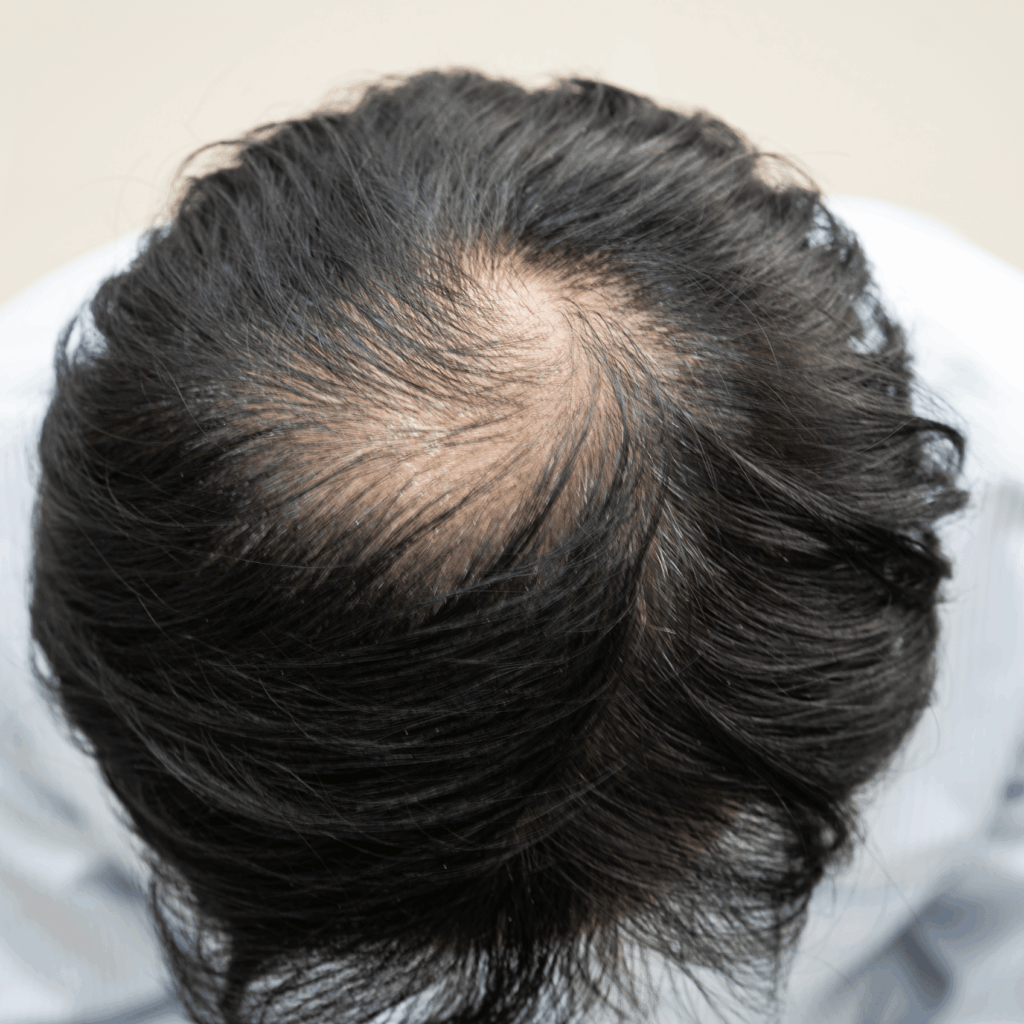
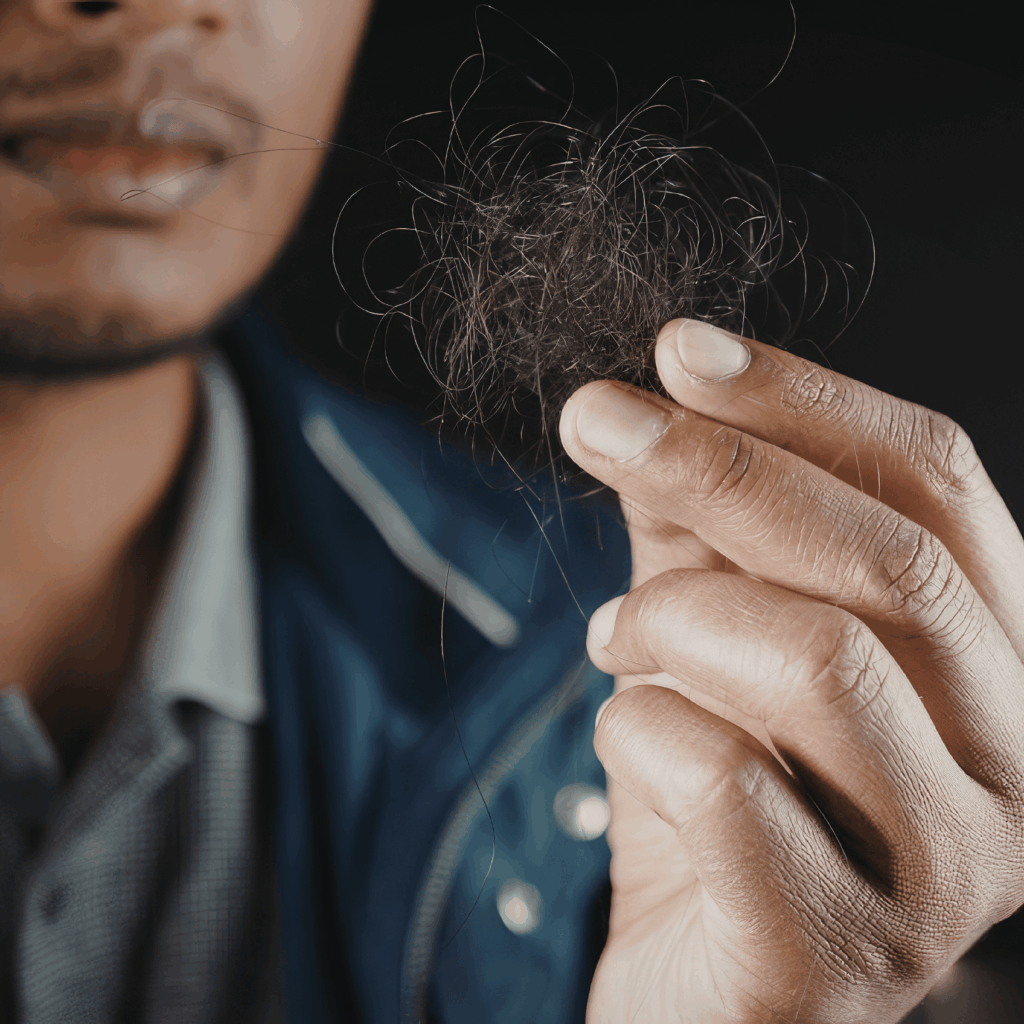
Male hair loss is one of the most common medical concerns affecting men in Ireland. By age 35, most men notice some degree of thinning. By age 50, over half will experience visible male-pattern baldness.

Overview

For many, this progression feels inevitable. But medically, it is not untreatable.

The most effective and widely studied treatment for male pattern hair loss is oral finasteride.

If you are searching for finasteride in Ireland or looking for a proven male hair loss treatment in Ireland, this guide explains:

  • Why does male hair loss happens
  • How finasteride works
  • What results are expected
  • Side effects and safety
  • Who should and should not take it
  • How to access finasteride safely through an online doctor in Ireland

What Causes Male Pattern Hair Loss?

The most common cause of hair loss in men is androgenetic alopecia, also known as male pattern baldness.

It is driven by:

  • Genetics
  • Hormonal sensitivity
  • Dihydrotestosterone (DHT)


DHT is a derivative of testosterone. In genetically susceptible men, DHT binds to hair follicle receptors in the scalp.

Over time, this causes:

  1. Progressive shrinking of hair follicles (miniaturisation)
  2. Shorter growth cycles
  3. Thinner, weaker hairs
  4. Eventual loss of visible hair growth


The follicles are not immediately “dead.” They are weakened. That distinction matters, because treatment can stabilise them.

Why DHT Is the Target?

Testosterone is converted into DHT by an enzyme called 5-alpha-reductase.

DHT plays important roles in male development. However, in the scalp, DHT progressively damages hair follicles.

The more sensitive your follicles are to DHT, the more likely you are to experience male pattern baldness.

This is why treatment focuses on reducing DHT levels, not on increasing blood flow, not on “strengthening roots,” and not on cosmetic thickening.

What Is Finasteride?

Finasteride is a prescription medication that inhibits the enzyme 5-alpha-reductase.

By blocking this enzyme, finasteride reduces scalp DHT levels by approximately 60–70%.

Lower DHT levels mean:

  • Slower follicle miniaturisation
  • Reduced progression of thinning
  • Potential partial regrowth in some men


Finasteride does not increase testosterone beyond normal range. It simply reduces conversion into DHT.

How Effective Is Finasteride?

Finasteride is one of the most studied hair loss medications globally.

Clinical data shows:

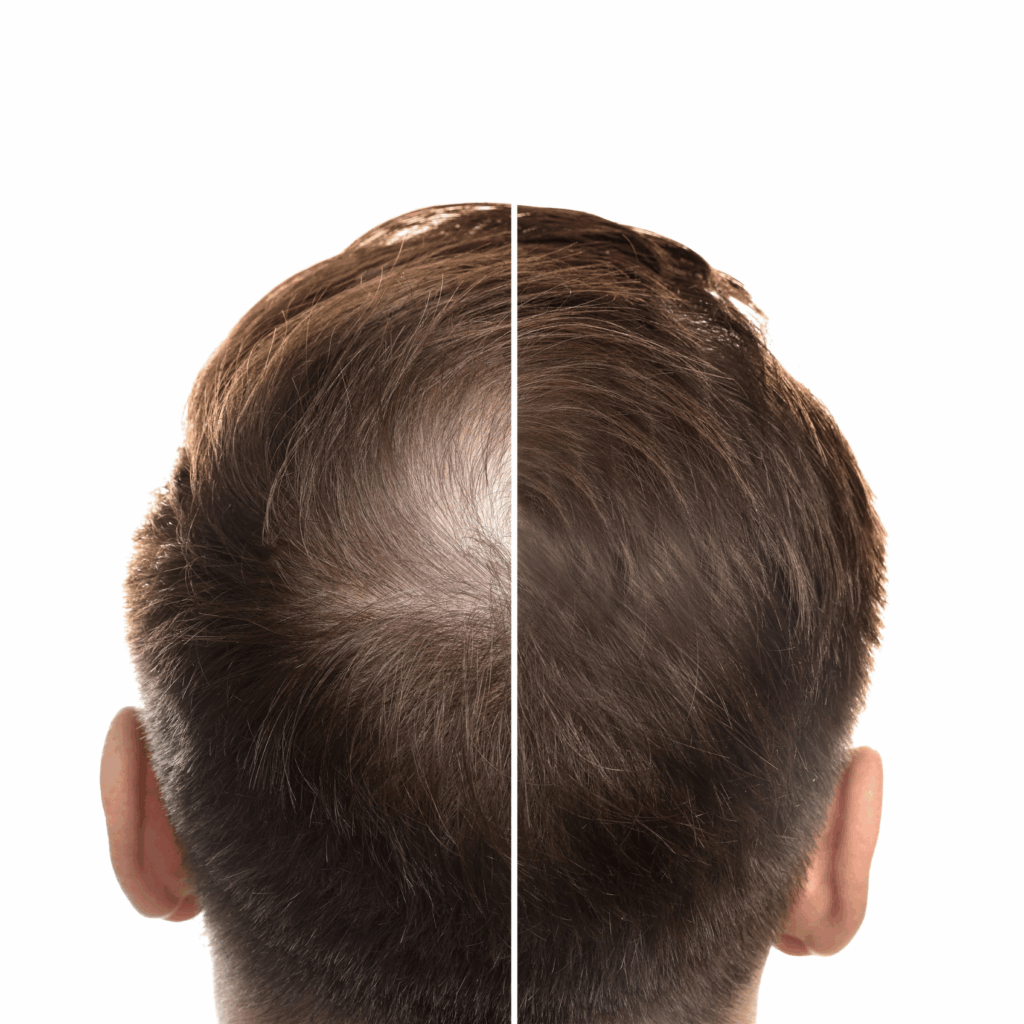
  • Around 90% of men experience stabilisation or improvement
  • Hair loss progression significantly slows
  • Many men maintain existing hair long term
  • Some experience measurable regrowth


The earlier treatment begins, the better the outcome.

Men in their 20s and 30s tend to see stronger long-term preservation compared to those starting after extensive loss.

What Areas Does Finasteride Help Most?

Finasteride is particularly effective for:

  • Crown thinning
  • Vertex hair loss
  • Generalised scalp thinning


Frontal hairline improvement varies by individual, but stabilisation is common.

It is important to understand that finasteride maintains and strengthens existing follicles; it does not recreate hair follicles that are completely inactive for years.

When Should You Start Finasteride?

The best time to start treatment is when you first notice:

  • Receding temples
  • Thinning at the crown
  • Increased hair shedding
  • Visible scalp through hair


Hair loss is progressive. Delaying treatment allows continued miniaturisation.

Early intervention produces better preservation.

How Long Does Finasteride Take to Work?

Finasteride does not work overnight.

Typical timeline:

Month 1–2
Some shedding may increase temporarily.

Month 3–4
Hair shedding stabilises.

Month 6
Visible slowing of hair loss in many men.

Month 12
Peak stabilisation and early regrowth are visible.

Consistency is critical. Stopping treatment reverses gains.

Is Shedding Normal in men?

Yes.

Some men notice increased shedding in the first few months.

This occurs because:

  • Weak hairs enter resting phase
  • New stronger hairs replace them


Temporary shedding does not mean the medication is failing.

Side Effects of Finasteride

Most men tolerate finasteride well.

Possible side effects include:

  • Reduced libido
  • Erectile dysfunction
  • Reduced semen volume
  • Mood changes (rare)


Reported rates are low (approximately 1–2%).

In most cases, side effects resolve after discontinuation.

A proper medical consultation ensures suitability before prescribing.

Does Finasteride Affect Testosterone?

Finasteride reduces DHT, not testosterone.

Testosterone levels may increase slightly due to reduced conversion, but remain within the normal range.

It does not reduce masculinity or alter core hormonal balance in healthy men.

Fertility and Finasteride

Some men notice reduced semen volume while taking finasteride.

This is reversible.

Finasteride is not recommended for use in women, particularly during pregnancy.

Men attempting conception should discuss concerns with a doctor.

Can Finasteride Be Taken Long-Term?

Yes.

Many men take finasteride for years.

Long-term studies show:

  • Sustained hair preservation
  • Continued DHT suppression
  • Stable safety profile


Stopping treatment allows DHT to rise again and hair loss typically resumes within months.

Who Should Not Take Finasteride?

Finasteride may not be suitable if you:

  • Have known hypersensitivity
  • Have certain liver conditions
  • Are under 18
  • Are female


A medical review ensures safety.

Common Myths About Finasteride

Myth: It permanently damages sexual function.
Reality: Side effects are uncommon and usually reversible.

Myth: It causes infertility.
Reality: Fertility returns after discontinuation.

Myth: It only works if used with minoxidil.
Reality: Finasteride alone is effective for DHT-related loss.

Myth: Hair transplants eliminate the need for medication.
Reality: DHT continues affecting native hair after transplant.

Can I start finasteride if my hair loss is very early?

Yes, and early treatment is usually more effective.

Finasteride works best when hair follicles are still active but miniaturising. If you are noticing:

  • A slightly receding hairline
  • Thinner crown
  • Increased shedding


Starting treatment early improves the chance of long-term preservation. Once follicles are completely inactive for years, regrowth becomes unlikely.

Is finasteride effective if baldness runs strongly in my family?

DHT, the hormonal driver behind inherited male pattern baldness.

Genetics increases susceptibility to DHT sensitivity, but reducing DHT levels can still slow the process.

Will finasteride change my testosterone levels significantly?

No.

Finasteride blocks the conversion of testosterone into DHT but does not suppress testosterone production. Testosterone levels may increase slightly due to reduced conversion, but remain within the normal range.

It does not cause a hormonal imbalance.

Less Common Effect