Why us?

Mature Hairline vs Receding Hairline: How Irish Men Can Tell the Difference

Picture of smartscripts
smartscripts

Ireland’s #1 online healthcare platform

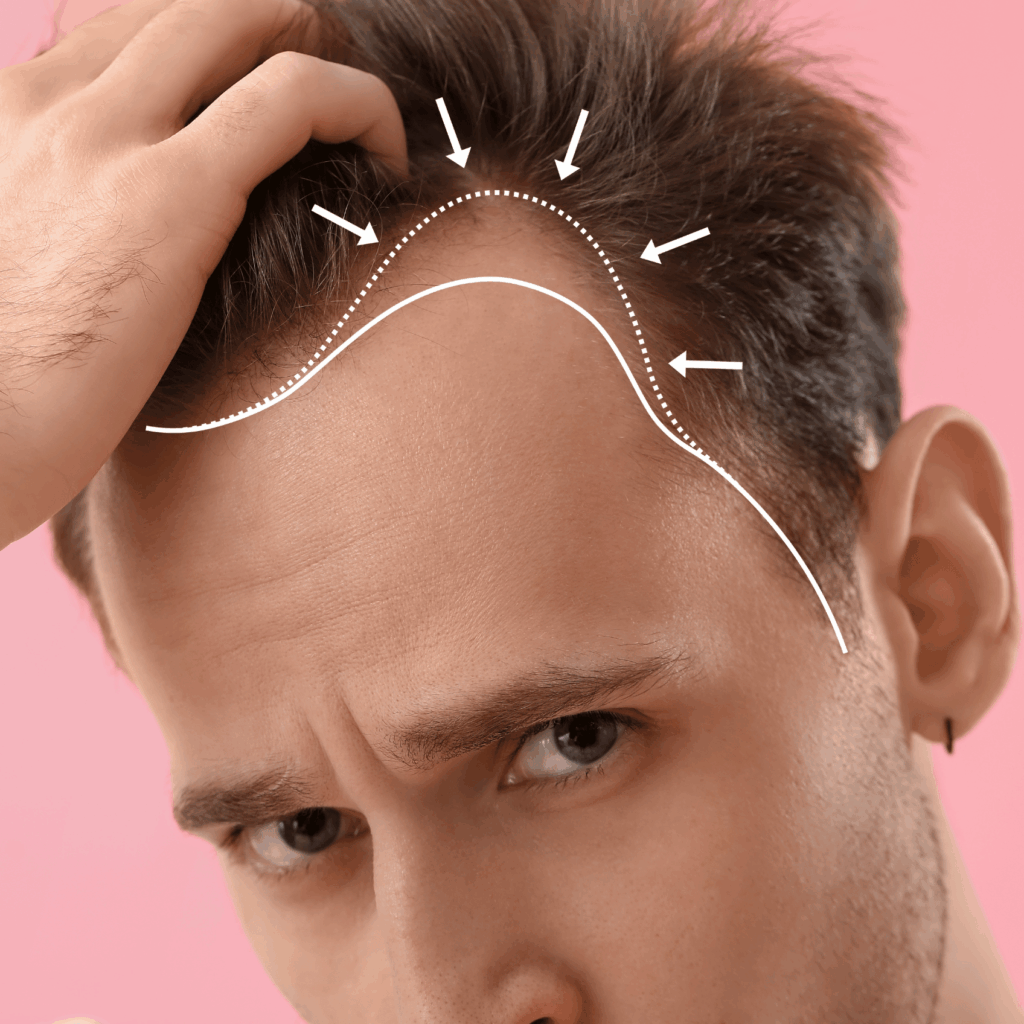
For many Irish men, the first concern about hair loss isn’t a bald spot or a thinning crown. It starts quietly, a glance in the mirror, a slightly higher forehead, or a comment from a barber. “Is my hairline just maturing… or is it receding?”

Overview

This uncertainty is extremely common. Hairlines change naturally with age, but they can also signal the early stages of male pattern baldness, a condition that affects the majority of men at some point in their lives.

Understanding the difference between a mature hairline and a receding hairline is important because:

  • One is normal and stabilises
  • The other is progressive and often worsens without treatment


This guide is written specifically for Irish men, explaining how hairlines change, what to look for, when to act, and what medical options exist, without alarmism or unrealistic promises.

What Is a Mature Hairline?

A mature hairline is a normal, age-related change that typically occurs in men between their late teens and early thirties.

Rather than indicating hair loss, a mature hairline reflects the transition from a juvenile to an adult hairline.

Key Characteristics of a Mature Hairline

  • The hairline moves back slightly (usually 1–2 cm)
  • The temples recede mildly and symmetrically
  • The shape becomes more defined, often forming a subtle “M”
  • The hairline then stabilises
  • Hair density behind the hairline remains strong


A mature hairline does not continue to move backward indefinitely.

What Is a Receding Hairline?

A receding hairline is one of the earliest signs of male pattern baldness (androgenetic alopecia).

Unlike a mature hairline, a receding hairline is:

  • Progressive
  • Driven by genetics and hormones
  • Unlikely to stop without treatment

It often begins at the temples and gradually moves backward over time.

Key Characteristics of a Receding Hairline

  • Noticeable thinning at the temples
  • Uneven or asymmetric recession
  • Increased scalp visibility
  • Continued backward movement over months or years
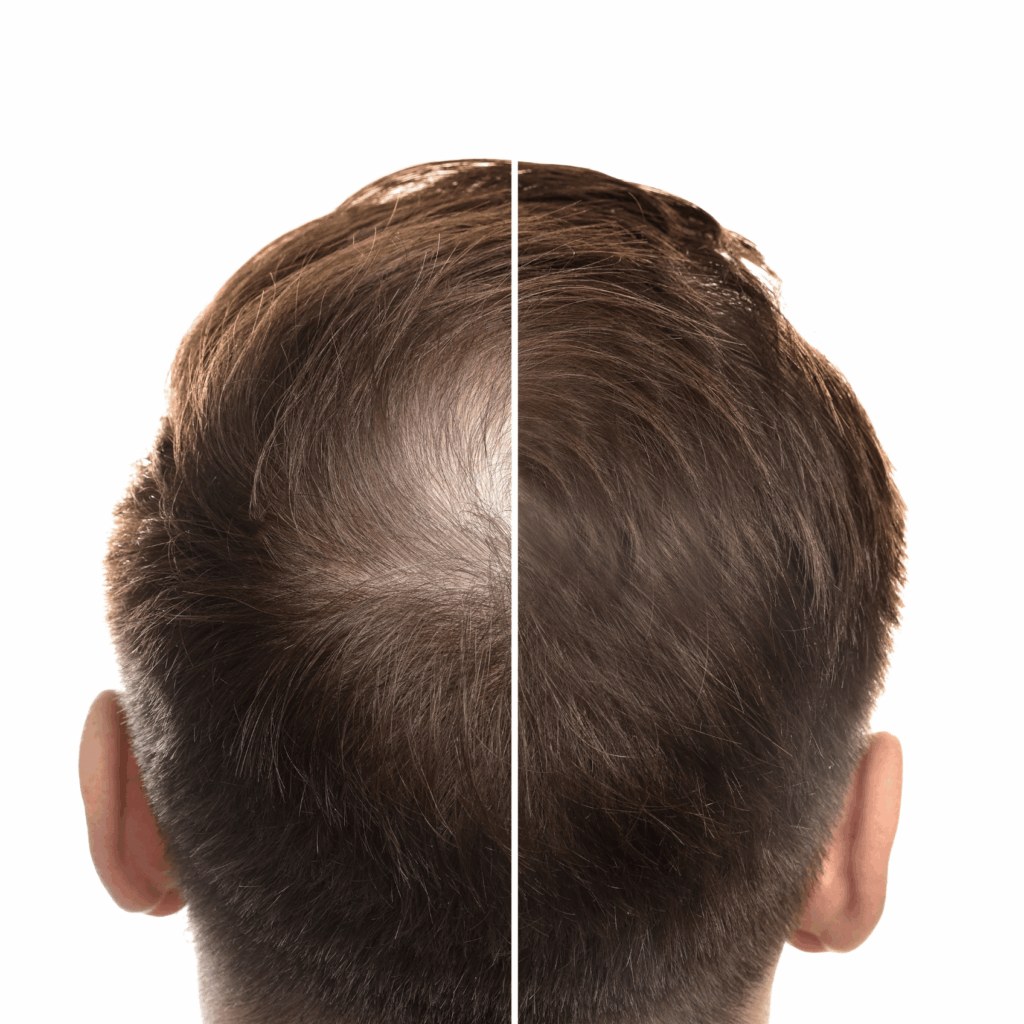
  • Possible thinning at the crown as well


The Role of Genetics in Hairline Changes

Male pattern baldness is strongly genetic. If hair loss runs in your family, on either side, not just your father’s, your risk is higher.

In Ireland, where fair hair and strong hairlines are common in youth, early recession can feel particularly noticeable and distressing.

Genetic influence:

  • When hair loss starts
  • How fast it progresses
  • Which areas are affected first

Understanding the Norwood Scale

Clinicians use the Norwood scale to classify male pattern baldness.

Simplified Overview

  • Norwood 1–2: Juvenile or mature hairline
  • Norwood 2–3: Early recession (often temples)
  • Norwood 3–4: Clear male pattern hair loss
  • Norwood 5+: Advanced thinning or baldness


A mature hairline usually corresponds to Norwood 2 and does not progress further.

Mature Hairline vs Receding Hairline: Side-by-Side Comparison


Feature

Mature Hairline

Receding Hairline

Age of onset

Late teens to early 30s

Any age after puberty

Progression

Stops

Continues

Temple shape

Mild, symmetrical

Deepening, uneven

Hair density

Preserved

Thinning

Crown involvement

No

Often yes

Requires treatment

No

Often beneficial


Common Myths About Hairlines

“All hairlines recede with age.”

Not true. Many men retain stable hairlines throughout life.

“If my dad is bald, I will be too.”

Genetics are complex. Maternal genetics also play a role.

“Stress causes permanent hair loss.”

Stress can cause temporary shedding, but not male pattern baldness.

Early Warning Signs Your Hairline Is Receding

Irish men often dismiss early signs until a significant loss has occurred. Early indicators include:

  • Hairline changing noticeably over 6–12 months
  • Increased hair shedding at temples
  • Hair is becoming finer near the forehead
  • Barbers notice thinning before you do
  • Family members pointing it out (often before you’re ready)


Early action matters because hair loss is easier to slow than reverse.

Why Early Identification Matters

Male pattern baldness is progressive. Once a follicle miniaturises fully, regrowth becomes unlikely.

Identifying recession early allows:

  • Preservation of existing hair
  • Better response to treatment
  • More natural long-term results


Waiting until hair loss is advanced limits options.

Psychological Impact of Hairline Changes

For many Irish men, hair is closely tied to:

  • Identity
  • Youthfulness
  • Confidence
  • Dating and relationships
  • Professional image


Hairline changes can lead to:

  • Reduced self-esteem
  • Avoidance of mirrors or photos
  • Anxiety or preoccupation
  • Hesitation in social or romantic settings


These reactions are normal and valid.

Can a Mature Hairline Turn Into a Receding Hairline?

Yes — but not always.

Some men experience a mature hairline that remains stable for life. Others transition from a mature hairline into progressive recession later.

Monitoring change over time is more important than a single snapshot.

What Causes Receding Hairlines in Men?

The primary driver is dihydrotestosterone (DHT), a hormone derived from testosterone.

DHT causes:

  • Follicle miniaturisation
  • Shorter hair growth cycles
  • Thinner, weaker hair
  • Eventual follicle dormancy


Scalp sensitivity to DHT, not testosterone levels, determines hair loss.

Do Lifestyle Factors Matter?

Lifestyle does not cause male pattern baldness, but it can influence overall hair health.

Factors that may worsen appearance:

  • Poor nutrition
  • Smoking
  • Chronic stress
  • Aggressive hairstyling
  • Scalp inflammation


However, lifestyle changes alone do not stop genetic hair loss.

When Should Irish Men Consider Treatment?

Consider medical advice if:

  • Your hairline continues to recede over time
  • Thinning is noticeable at the temples or crown
  • Hair loss causes distress or anxiety
  • You want to preserve your current hair


You do not need to wait until hair loss is severe.

Medical Treatment Options for Hair Loss in Ireland

Hair loss treatment is most effective when started early and used consistently.

Evidence-based options include:

  • Oral treatments that reduce DHT
  • Topical treatments that support follicle growth
  • Combination approaches tailored to the individual


Treatment decisions should always be guided by a medical assessment.

Can Hair Loss Be Reversed?

Early thinning can sometimes improve. Advanced recession usually cannot be fully reversed but it can often be stabilised.

The goal of treatment is:

  • Slow or stop progression
  • Preserve existing hair
  • Improve density where possible


Hair Transplants vs Medical Treatment

Hair transplants:

  • Redistribute existing hair
  • Do not stop future loss
  • Are best combined with medical treatment


Medical therapy addresses the underlying cause, not just cosmetic redistribution.

Getting Professional Advice in Ireland

Irish men increasingly choose online medical consultations for hair loss due to:

  • Privacy
  • Convenience
  • Early intervention
  • Reduced stigma


Doctor-led services allow assessment without unnecessary embarrassment.

Less Common Effect