
Mounjaro Ireland Quick Online Prescription for €20
A secure online assessment — consultation from €20
 LegitScript verified

Ireland’s #1 online healthcare platform

Prescription treatments such as Tretinoin and Adapalene are already in their active form or act directly on retinoid receptors. They work at a cellular level to stimulate collagen, accelerate cell turnover, and improve pigmentation.
In Ireland, prescription retinol treatments require medical approval and can be accessed through a regulated consultation with an online doctor.
A secure online assessment — consultation from €20
Skin ageing occurs through two main mechanisms:
Intrinsic Ageing
This is genetically programmed ageing.
Extrinsic Ageing (Photoageing)
This is caused by environmental exposure, especially ultraviolet radiation.
Most visible skin ageing is caused by UV exposure, not time alone.
Retinoids bind to nuclear retinoic acid receptors (RARs) in skin cells. This influences gene transcription and affects:
Unlike cosmetic retinol, tretinoin does not require conversion. It directly activates these pathways.
This is why prescription retinol searches in Ireland are increasing; patients are seeking clinically proven treatments rather than cosmetic alternatives.
Tretinoin has over 30 years of clinical evidence supporting its use for:
Available Strengths
Common strengths include:
Lower strengths reduce irritation risk. Higher strengths may accelerate visible change but increase side effects.
Clinical trials demonstrate:
Histological studies confirm long-term collagen remodelling with consistent use.

Adapalene is a synthetic retinoid.
It:
For anti-ageing alone, tretinoin remains superior. For acne-prone or sensitive skin, adapalene may be more tolerable.
Retinol requires two enzymatic conversions before becoming retinoic acid.
Each conversion reduces potency.
Practical differences:
“Medical-grade retinol” is a marketing term. Only prescription retinoids deliver active retinoic acid.
The Retinisation Phase
The first 4–8 weeks often include:
This is normal and temporary.
Management includes:
Most irritation subsides by week 8.
Before and After Timeline
Weeks 1–2:
Dryness and irritation begin.
Weeks 3–6:
Texture improves; acne may temporarily worsen.
Weeks 8–12:
Pigmentation improves; pores appear smaller.
3–6 months:
Fine lines soften.
6–12 months:
Dermal collagen thickening evident.
Consistency determines outcome.
Side Effects in Detail
Common:
Less common:
Rare:
Side effects are dose-dependent.
A secure online assessment — consultation from €20
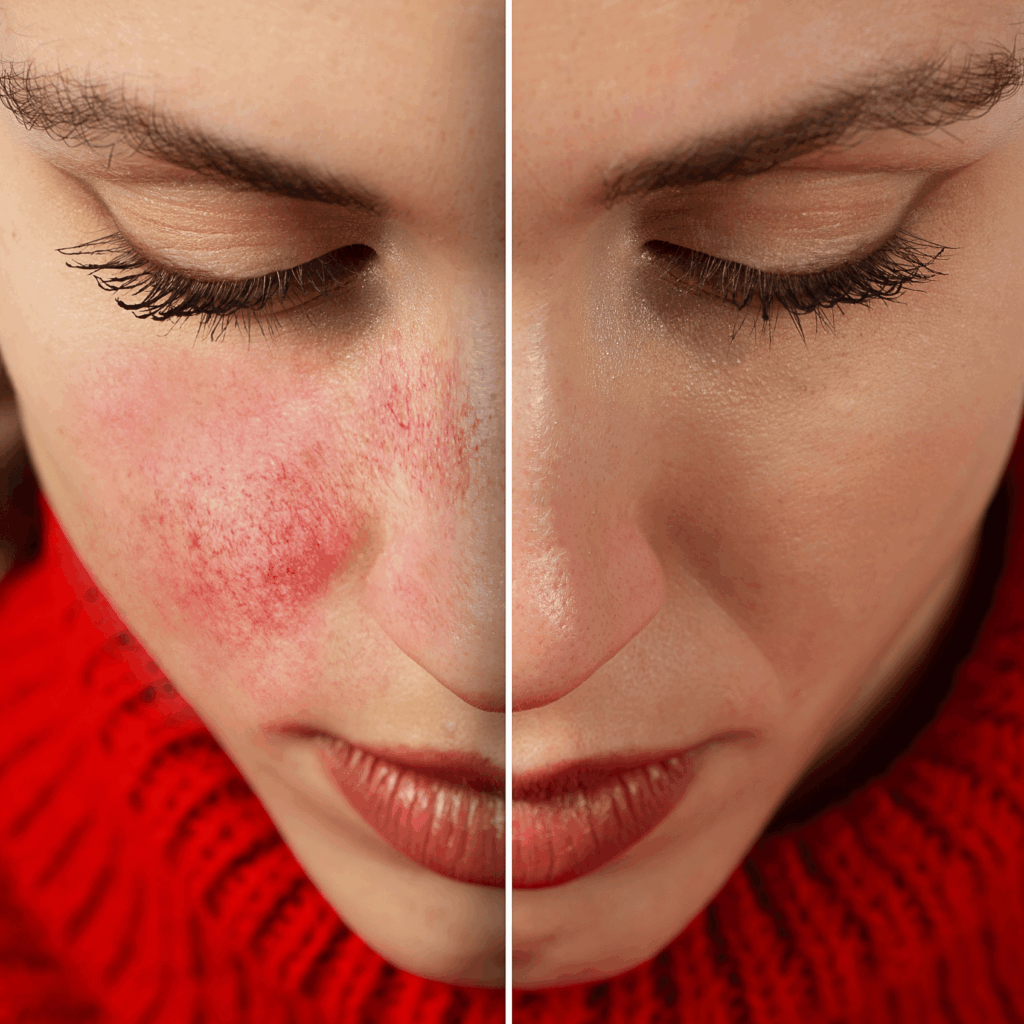
Contraindications include:
Caution required with:
A medical review is required before prescribing.
Ingredient Interactions
Avoid combining initially with:
Vitamin C may be used in the morning, tretinoin at night.
Skin Type Considerations
Oily Skin:
May tolerate higher strengths sooner.
Dry/Sensitive Skin:
Start low strength, slow frequency.
Darker Skin Types:
Gradual introduction reduces post-inflammatory pigmentation risk.
Acne-Prone Skin:
Tretinoin offers dual anti-acne and anti-ageing benefit.
Can Tretinoin Be Used Around the Eyes?
Yes, cautiously.
The under-eye area can benefit from collagen stimulation but is sensitive.
Long-Term Safety
Long-term studies show continued collagen improvement.
There is no defined maximum treatment duration.
Stopping treatment gradually reduces the benefit over time.
Combining with Procedures
Tretinoin complements:
It improves baseline skin quality.
Accessing Prescription Retinol in Ireland
In Ireland, prescription retinol treatments require medical assessment.
Through smartscripts.ie:
An online doctor in Ireland will assess:
Accessing Anti-Ageing Prescriptions in Ireland
Through smartscripts.ie, patients can consult an online doctor in Ireland for €20.
The process includes:
This ensures safe, regulated access without unnecessary in-person appointments.
What exactly does tretinoin do to the skin at a cellular level?
Tretinoin (all-trans retinoic acid) binds to retinoic acid receptors (RARs) in skin cells. These receptors influence gene transcription related to:
At a cellular level, tretinoin:
This is why tretinoin is not just a surface treatment – it remodels skin structure over time.
Why does skin peel when starting tretinoin?
Peeling occurs because tretinoin accelerates keratinocyte turnover.
Normal skin turnover takes about 28–40 days.
With tretinoin, this process speeds up significantly.
This leads to:
This phase is known as “retinisation” and typically stabilises within 4–8 weeks.
Peeling does not mean damage, it means increased cell turnover.
What is the difference between 0.025%, 0.05%, and 0.1% tretinoin?
The difference is concentration, which affects potency and irritation risk.
0.025%
• Best for beginners
• Lower irritation
• Slower but steady collagen stimulation
0.05%
• Moderate strength
• Often chosen after tolerance builds
• Balanced efficacy vs irritation
0.1%
• Strongest commonly prescribed
• Higher irritation potential
• Used for severe photoageing or acne
Higher strength does not automatically mean better results – tolerance and consistency matter more.
Can tretinoin permanently remove wrinkles?
No topical treatment permanently removes deep wrinkles.
However, tretinoin can:
It is most effective for early-to-moderate wrinkles, not deep structural folds.
A secure online assessment — consultation from €20
Less Common Effect

Disclaimer: All prescriptions are issued by Irish-registered doctors, subject to clinical suitability. Medication names mentioned are trademarks of their respective owners.

Disclaimer: All medicine names and trademarks are the property of their respective owners. SmartScripts does not claim any affiliation with or endorsement by the trademark holders.