Hair Loss in Men: What Causes It and What You Can Do About It
Achieving meaningful, long-term weight loss can be one of the most difficult health challenges an adult faces

LegitScript verified
Ireland’s #1 online healthcare platform
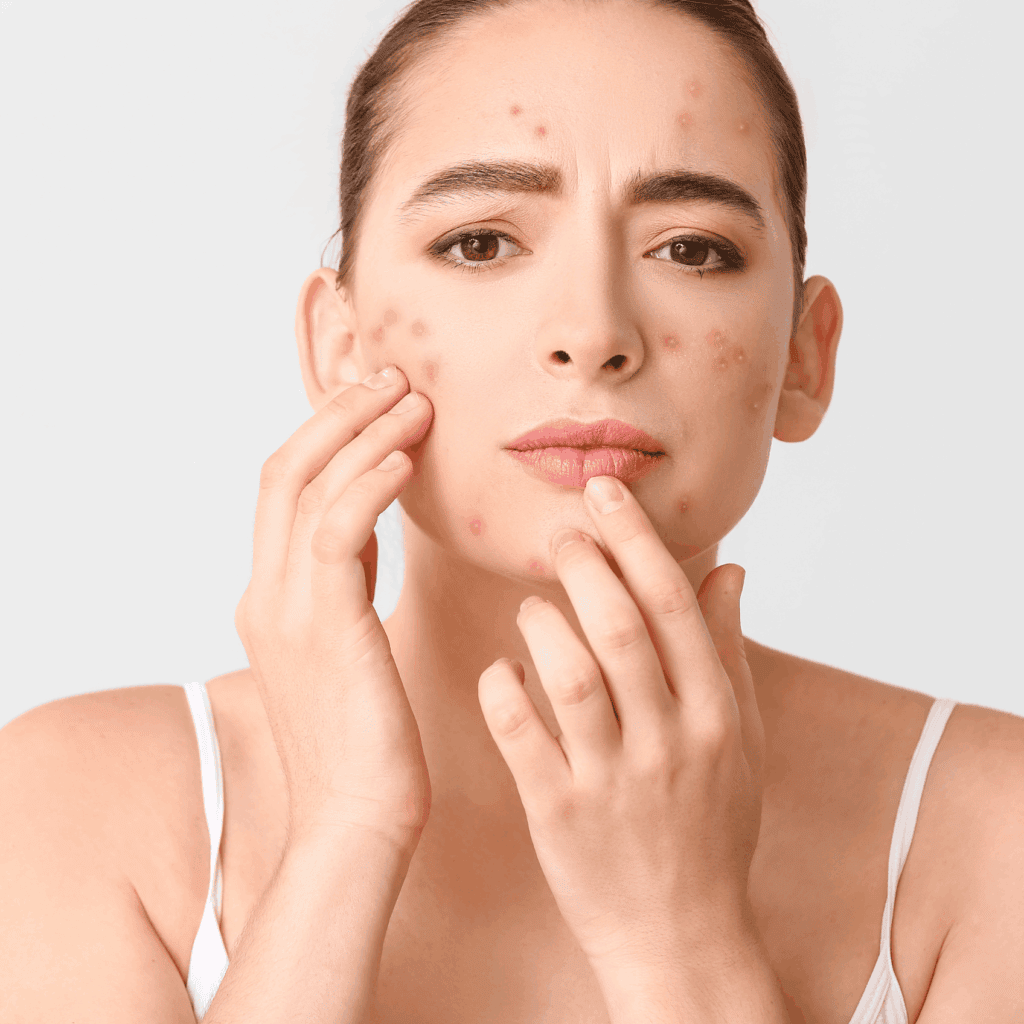
Tretinoin (all-trans retinoic acid) is a topical retinoid used in dermatology for the treatment of acne vulgaris, photoageing, and disorders of pigmentation. It is one of the most extensively studied topical medications and remains a first-line therapy in multiple clinical guidelines.
In Ireland, tretinoin is a prescription-only medicine, requiring assessment by a licensed medical practitioner prior to use.
Here we outline:

Achieving meaningful, long-term weight loss can be one of the most difficult health challenges an adult faces

Tretinoin is the biologically active form of Vitamin A and belongs to a class of medications known as retinoids. Unlike cosmetic retinol products, which require enzymatic conversion in the skin, tretinoin is already active and therefore produces a more rapid and pronounced clinical effect.
Tretinoin exerts its effects through interaction with nuclear retinoic acid receptors (RARs), which regulate gene expression in skin cells. Key mechanisms include:
Tretinoin reduces abnormal desquamation in the follicular epithelium, thereby preventing the formation of microcomedones, the precursors to acne lesions.
It accelerates the rate of keratinocyte turnover, leading to:
Tretinoin reduces inflammatory mediators involved in acne pathogenesis.
In photoaged skin, tretinoin:
It promotes even distribution of melanin, improving hyperpigmentation.
Acne: Clinical studies show that topical tretinoin reduces lesion count significantly over 8–12 weeks, prevents the formation of new comedones, and improves long-term acne control.
Photoageing: Long-term use (≥6 months) is associated with increased dermal collagen, reduction in fine wrinkles, and improved skin texture.
Pigmentation: Gradual improvement occurs over 6–12 weeks initially, with continued improvement with prolonged use.

Achieving meaningful, long-term weight loss can be one of the most difficult health challenges an adult faces

Patients may experience erythema, dryness, and scaling. This is commonly referred to as retinoid dermatitis and reflects physiological adaptation.
Common adverse effects include:
These are typically dose-dependent and improve with continued use.
Tretinoin should not be used in:
A clinical assessment is required before initiation.
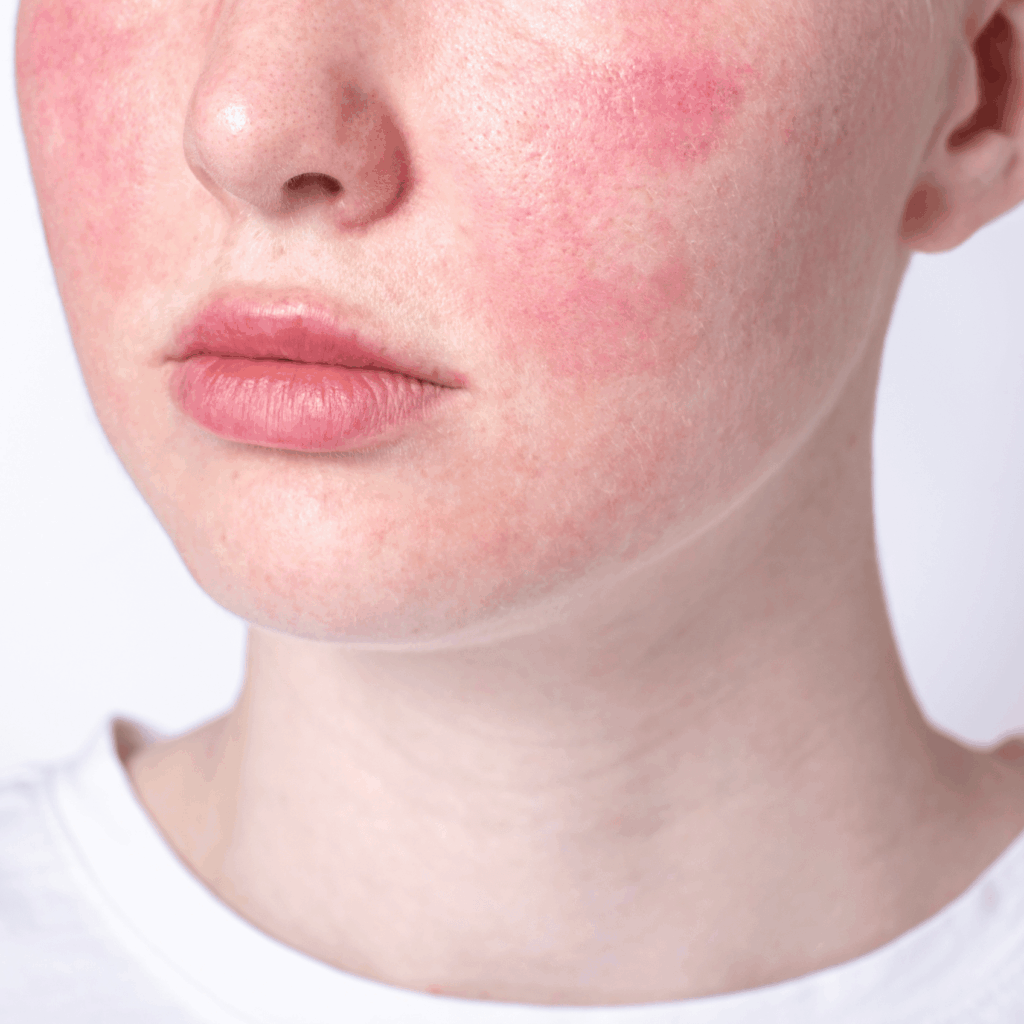
Azelaic acid (15–20%) is a dicarboxylic acid with antimicrobial and anti-inflammatory properties.
| Feature | Tretinoin | Azelaic Acid |
|---|---|---|
| Strength | High | Moderate |
| Irritation risk | Higher | Lower |
| Best for | Acne + ageing | Sensitive skin, rosacea |
| Collagen stimulation | Yes | No |
Tretinoin increases susceptibility to ultraviolet damage. Patients should:
Tretinoin is not available without a prescription. Through SmartScripts.ie, patients can:
If you are considering prescription treatment for acne or skin ageing, a clinical assessment is required to determine suitability.
No. Tretinoin is classified as a prescription-only medicine (POM) in Ireland and cannot be legally supplied without assessment by a licensed medical practitioner. This is due to its pharmacological potency, the potential for adverse effects, and the need to assess contraindications such as pregnancy.
Access is typically via a GP, dermatologist, or regulated digital health platforms, where a doctor reviews the case before prescribing.
Tretinoin is generally used as a long-term maintenance therapy, rather than a short-course treatment.
Discontinuation often results in gradual reversal of benefits. Many patients continue tretinoin indefinitely at a tolerable frequency under medical guidance.
Irritation cannot always be fully avoided, but it can be significantly minimised. Strategies to reduce irritation:
In most cases, irritation improves within 2–6 weeks as the skin adapts.
Tretinoin can be used across a wide range of skin types, but tolerability varies. Factors influencing suitability include skin sensitivity, underlying conditions (rosacea, eczema), skin phototype, and previous retinoid use.
A clinical assessment helps determine whether tretinoin is appropriate, what strength and frequency to start with, or whether an alternative may be more suitable initially.
Yes, tretinoin is frequently used as part of a combination regimen under medical supervision. Common combinations include:
A personalised treatment plan ensures maximum efficacy with minimal adverse effects.
To determine whether tretinoin or an alternative treatment is appropriate:

Achieving meaningful, long-term weight loss can be one of the most difficult health challenges an adult faces
Disclaimer: All prescriptions are issued by Irish-registered doctors, subject to clinical suitability. Medication names mentioned are trademarks of their respective owners.
Disclaimer: All medicine names and trademarks are the property of their respective owners. SmartScripts does not claim any affiliation with or endorsement by the trademark holders.