
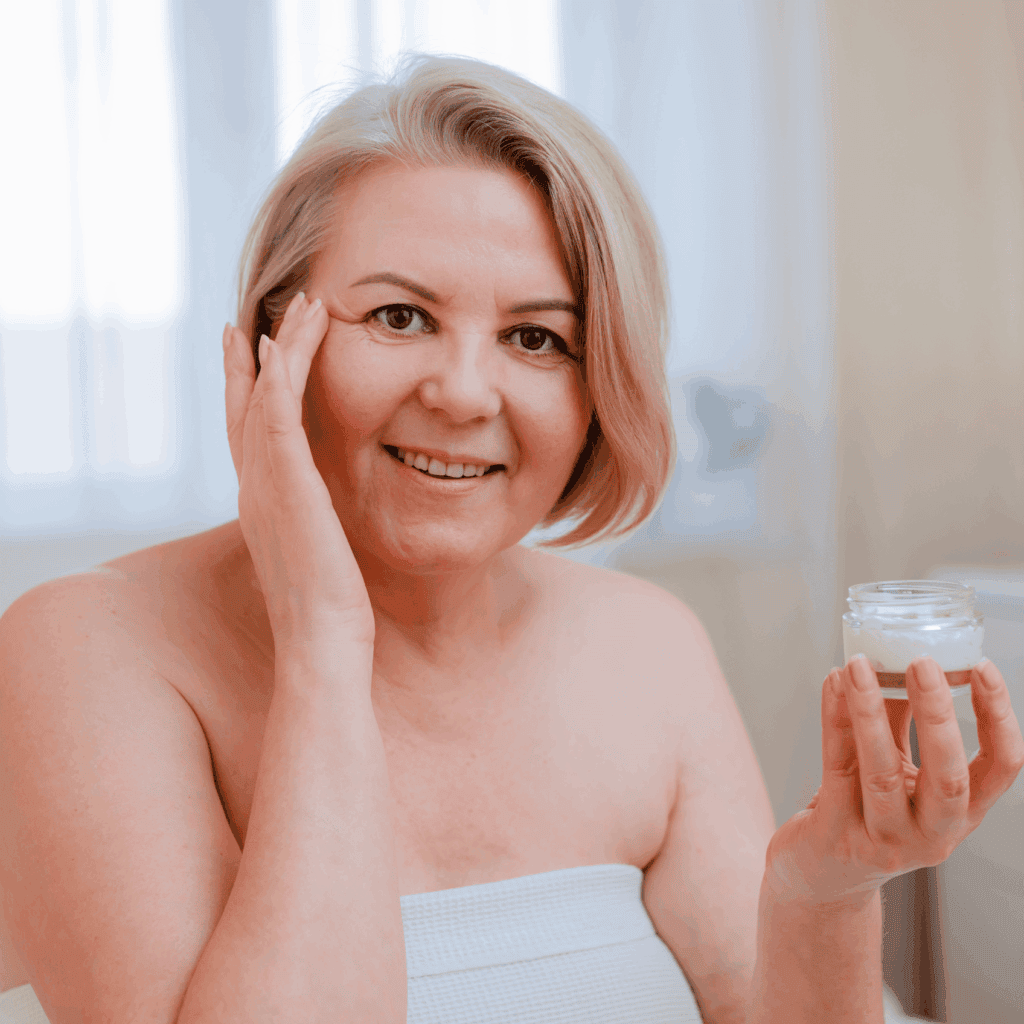
Tretinoin is one of the most clinically studied and effective topical treatments available for acne, photoageing, and pigmentation. In Ireland, tretinoin is available only by prescription following a medical assessment.
Overview
As demand grows for prescription anti-ageing treatments, searches for “tretinoin Ireland” and “prescription tretinoin Ireland” continue to increase. However, many patients are unsure how tretinoin works, who it is suitable for, what side effects to expect, and how to access it safely.
This comprehensive guide explains:
If you are considering tretinoin treatment, an online doctor in Ireland can assess your suitability and, if appropriate, safely prescribe it.

What Is Tretinoin?
Tretinoin is a prescription-strength retinoid derived from vitamin A.
Unlike over-the-counter retinol, tretinoin is already in its active form (retinoic acid). It binds directly to retinoic acid receptors (RARs) in skin cells and influences gene transcription.
This makes it significantly more potent than cosmetic retinol products.
Tretinoin has been used in dermatology for over 30 years and remains the gold standard topical therapy for:
How Tretinoin Works
Tretinoin acts at a cellular level.
It:
Over time, this leads to:
It does not “peel” skin in a cosmetic sense, it changes the biology of skin renewal.
What Does Tretinoin Treat?
Acne
Tretinoin prevents clogged pores by normalising follicular epithelial turnover.
It reduces:
Photoageing
Tretinoin improves:
Clinical studies show increased dermal collagen thickness after sustained use.
Hyperpigmentation
By accelerating cell turnover and dispersing melanin more evenly, tretinoin helps fade:
Tretinoin Strengths Available in Ireland
Common concentrations include:
Lower strengths are typically prescribed initially.
Higher strengths may:
Strength selection depends on:
An online doctor in Ireland will determine appropriate starting strength.

What to Expect When Starting Tretinoin?
The first 4-8 weeks often involve “retinisation.”
Common early reactions:
This is normal.
Improvements typically follow this timeline:
Weeks 2-4:
Texture begins improving.
Weeks 6-12:
Breakouts reduce; pigmentation softens.
3-6 months:
Fine lines visibly improve.
6-12 months:
Collagen remodelling effects become more evident.
Consistency is essential.
How to Apply Tretinoin Properly
To reduce irritation:
Do not apply more than recommended. More product does not increase effectiveness.
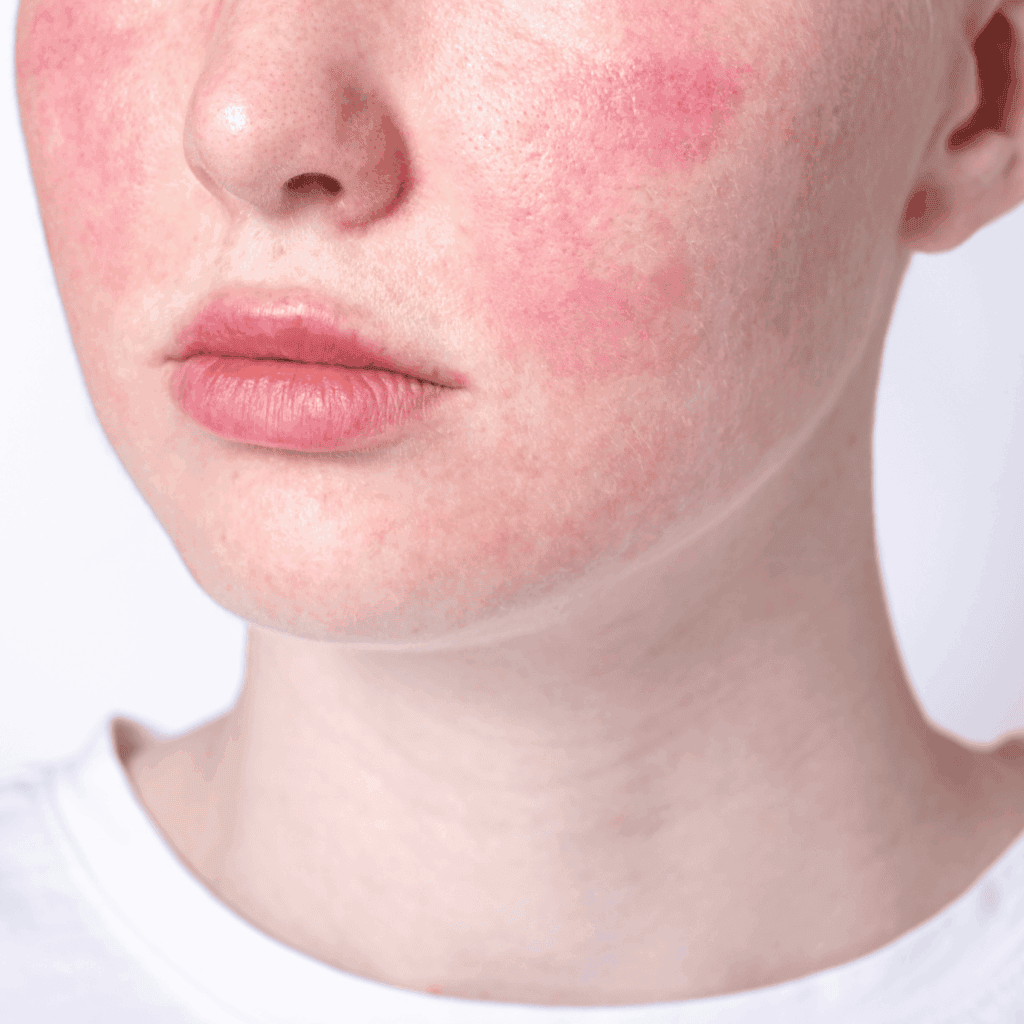
Side Effects of Tretinoin
Most side effects are temporary and dose-dependent.
Common:
Less common:
Rare:
Proper introduction significantly reduces risk.
Who Should Not Use Tretinoin?
Tretinoin is contraindicated in:
Caution required in:
Medical screening is required before prescription.
Tretinoin vs Retinol
Retinol must convert into retinoic acid before becoming active.
This makes it:
Tretinoin is already active retinoic acid.
It produces:
“Medical grade retinol” is a marketing term. Prescription retinoids are biologically superior.
Can Tretinoin Be Used Long-Term?
Yes.
Long-term studies show:
Many patients use tretinoin for years as maintenance therapy.
Stopping treatment gradually reduces benefits over time.
Tretinoin and Sun Exposure
Daily sunscreen (SPF 30+) is essential.
Tretinoin increases photosensitivity because:
Sun protection prevents irritation and preserves results.
Tretinoin and Combination Therapy
Tretinoin is often combined with:
Avoid combining initially with:
Layering must be managed carefully.
Accessing Tretinoin in Ireland
Tretinoin requires a prescription.
Through smartscripts.ie, you can consult an online doctor in Ireland for €20.
The process includes:
Doctors assess:
Why does tretinoin initially worsen acne in some people?
During early treatment, tretinoin accelerates cellular turnover within hair follicles.
Microcomedones (blocked pores that are not yet visible) surface more rapidly. This creates the impression of worsening acne, often called “purging.”
This phase:
True worsening beyond 8-12 weeks should be reviewed by a physician.
Is there a maximum safe duration for tretinoin use?
There is no defined maximum duration for topical tretinoin when used appropriately.
Clinical studies have evaluated use over several years with:
Long-term maintenance use is common in dermatology practice.
Does tretinoin permanently change skin thickness?
Yes - in a positive way.
Initial use may temporarily thin the outer stratum corneum (the dead skin layer) through exfoliation.
However, over time, tretinoin:
This results in stronger, more resilient skin, not weaker skin.
How does tretinoin compare to adapalene for anti-ageing?
Adapalene selectively binds to RAR-β and RAR-γ receptors and was primarily developed for the treatment of acne.
While adapalene:
Its collagen-stimulating data is less robust than tretinoin.
For anti-ageing specifically: