Why us?


Weight loss injections have become one of the most significant developments in obesity and metabolic health treatment in Ireland over the last decade. What was once viewed as a niche intervention reserved primarily for people with type 2 diabetes is now widely recognised by Irish doctors as an effective, evidence-based treatment for obesity and weight-related medical conditions.
In Ireland, obesity rates have continued to rise despite decades of public health messaging around diet and exercise. Many individuals who actively engage in calorie-controlled diets, structured weight loss programmes, and regular physical activity still struggle to achieve or maintain meaningful weight reduction. Medical research now clearly demonstrates that obesity is not simply a failure of willpower, but a complex, chronic condition influenced by genetics, hormones, metabolism, environment, and behaviour.
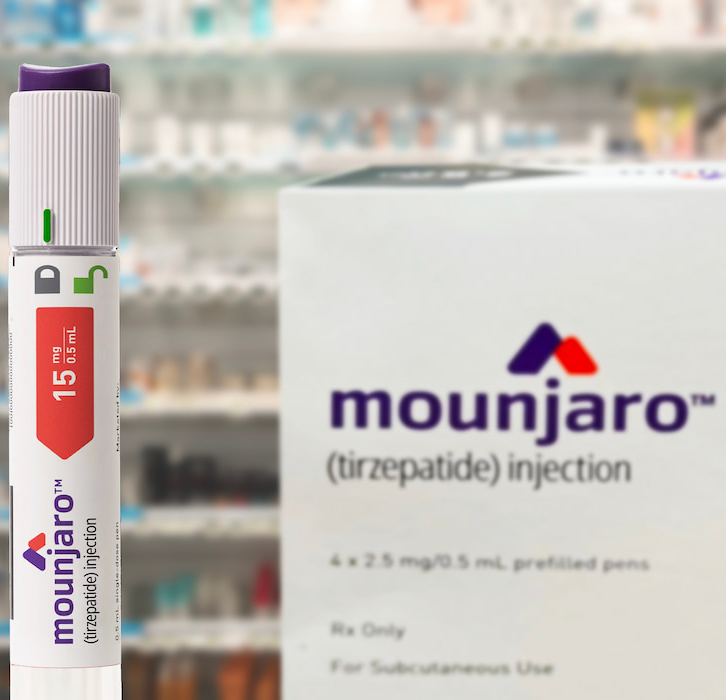
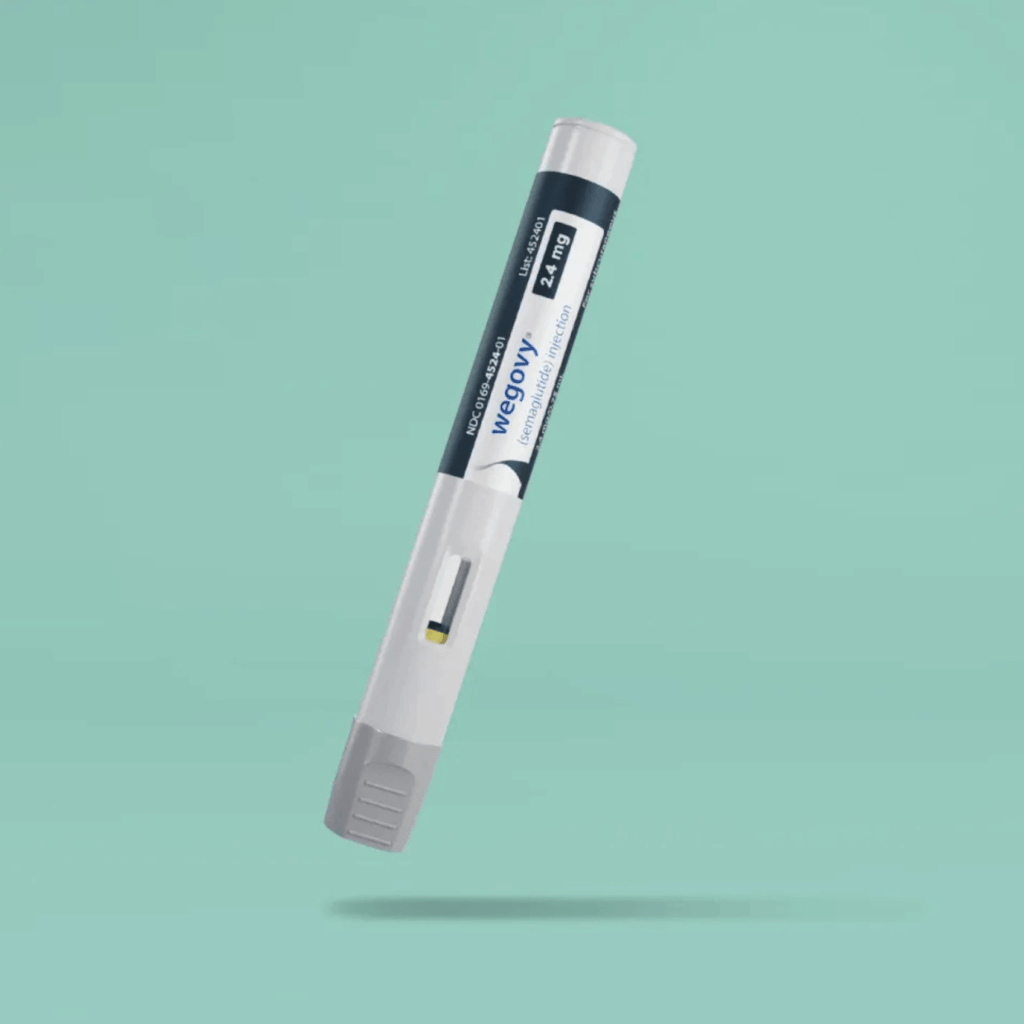
Against this backdrop, medications such as Mounjaro and Wegovy have transformed clinical practice. They allow doctors to address the biological drivers of appetite and weight gain directly, rather than relying solely on lifestyle advice that may be insufficient for many patients. As public awareness has grown, so too has demand for accurate, Ireland-specific information about these treatments.
This guide has been written specifically for people in Ireland researching weight-loss injections. It explains what these medications are, how they work, which options are available, who may be suitable, how to access them legally and safely (including online), what they cost, and the risks and side effects to consider. It reflects Irish prescribing standards, regulatory requirements, and real-world clinical practice.
A secure online assessment — consultation from €20

Eligibility for weight-loss injections is determined by a medical assessment rather than personal preference. In Ireland, these treatments are generally considered for adults who meet one or more of the following criteria:
* A body mass index (BMI) of 30 or higher
* A BMI of 27 or higher with at least one weight-related medical condition, such as type 2 diabetes, high blood pressure, high cholesterol, polycystic ovary syndrome, or obstructive sleep apnoea
Doctors also take into account a patient’s medical history, current medications, previous weight loss attempts, and overall health profile before prescribing.
Please note we do not prescribe weight loss injections if you have type 2 diabetes, as this is best dealt with by your GP.
Weight loss injections are not suitable for everyone. They may not be appropriate for individuals who are pregnant or breastfeeding, have a personal or family history of medullary thyroid cancer, have certain endocrine disorders, or have a history of severe eating disorders.
This is why doctor-led assessment and ongoing monitoring are essential components of safe prescribing.
Yes. Weight-loss injections can be prescribed online in Ireland, provided the service complies with appropriate medical and regulatory standards. A legitimate online prescribing process includes a detailed medical questionnaire, review by an Irish-registered doctor, prescription only where clinically appropriate, and ongoing follow-up and monitoring.
Any service offering instant prescriptions without medical review should be avoided.
A secure online assessment — consultation from €20
Like all prescription medicines, weight loss injections can cause side effects, particularly during the early stages of treatment or during dose escalation. Common side effects include nausea, reduced appetite, constipation, diarrhoea, fatigue, and mild abdominal discomfort. These effects are usually temporary and improve as the body adjusts.
Gradual dose titration under medical supervision significantly reduces the risk of side effects and improves long-term tolerability.
How Long Do You Stay on Weight Loss Injections?
Weight-loss injections are typically used as part of a long-term weight-management strategy. Doctors may recommend continuing treatment while benefits outweigh risks, adjusting doses over time, and reassessing periodically. Abrupt discontinuation without medical guidance often leads to weight regain.
Weight Loss Injections and Lifestyle Change
While weight loss injections are powerful tools, they work best when combined with sustainable lifestyle changes. These include balanced nutrition, adequate protein intake, hydration, and gradual increases in physical activity. The medications support behavioural change rather than replace it.
Clinical Deep Dive: How GLP-1 and GIP Hormones Influence Weight
To understand why weight loss injections are effective, it is helpful to understand how appetite and weight are regulated in the body. GLP-1 (glucagon-like peptide-1) and GIP (glucose-dependent insulinotropic polypeptide) are hormones released by the gut in response to food intake. Their primary role is to signal satiety and regulate blood sugar, but they also influence long-term energy balance.
GLP-1 acts on multiple systems simultaneously. In the brain, it reduces hunger signals and food-seeking behaviour. In the stomach, it slows gastric emptying, prolonging the time food remains in the stomach and increasing feelings of fullness after meals. In the pancreas, it enhances insulin secretion in a glucose-dependent manner, reducing blood sugar spikes. These combined effects make it easier for patients to consume fewer calories without constant hunger.
GIP plays a complementary role. While historically associated with insulin secretion, newer research shows that when GIP is activated alongside GLP-1, appetite regulation and metabolic efficiency improve further. This dual mechanism is the basis for medications such as tirzepatide, which often produce greater average weight loss than GLP-1-only treatments.
Crucially, these medications do not override normal physiology. They amplify existing hormonal signals that are often blunted in people living with obesity. This is why weight loss injections are considered a treatment for a medical condition rather than a lifestyle aid.
Expanded Eligibility and Prescribing Considerations in Ireland
While BMI thresholds provide a general framework, Irish doctors take a broader clinical perspective when assessing suitability for weight-loss injections. Obesity rarely exists in isolation. Many patients present with overlapping metabolic, cardiovascular, hormonal, or musculoskeletal issues that influence treatment decisions.
Prescribers will typically review:
For some patients with a BMI below standard thresholds, treatment may still be considered where excess weight is contributing significantly to other health conditions. Conversely, patients who technically meet BMI criteria may be advised against treatment if risks outweigh potential benefits. This nuance underscores why algorithmic or automatic prescribing is inappropriate.
Safety, Monitoring, and Ongoing Review
Weight loss injections have a strong safety profile when prescribed correctly, but they are not risk-free. Ongoing monitoring is a core component of responsible treatment.
Irish doctors typically review patients during dose escalation to assess tolerability and response. Monitoring focuses on gastrointestinal symptoms, hydration status, nutritional intake, and overall well-being. In patients with diabetes or prediabetes, blood sugar trends may also be reviewed.
In rare cases, treatment may need to be paused or discontinued due to persistent side effects. This is another reason why sourcing medication outside medical supervision is unsafe. Without access to professional review, patients may continue treatment despite warning signs or stop abruptly without guidance.
Cost, Access, and What Patients Are Paying For
When evaluating the cost of weight loss injections in Ireland, it is important to understand what is included in the price. Legitimate services do not sell medication alone; they provide a clinical service.
Costs generally reflect:
* Medical assessment and prescribing
* Ongoing clinical review
* Prescription management
* Pharmacy dispensing and logistics
While monthly costs can appear high, they reflect the fact that these are advanced biologic medications combined with professional oversight. Patients should be cautious of unusually low prices, which may indicate unregulated sourcing or a lack of medical support.
Risks of Unregulated Providers and Overseas Sources
The popularity of weight loss injections has led to a surge in unregulated providers targeting Irish consumers. These sources often operate outside Irish and EU regulatory frameworks.
Risks include:
* Counterfeit or substandard medication
* Incorrect dosing or concentration
* Unsafe injection techniques
* Absence of medical review or follow-up
Irish regulatory authorities and medical professionals consistently warn against purchasing prescription medicines from non-licensed sellers. The short-term cost savings do not justify the potential health risks.
A secure online assessment — consultation from €20